
忍耐する信仰 Enduring Faith |ヨハネの福音書2章 John 2
English below
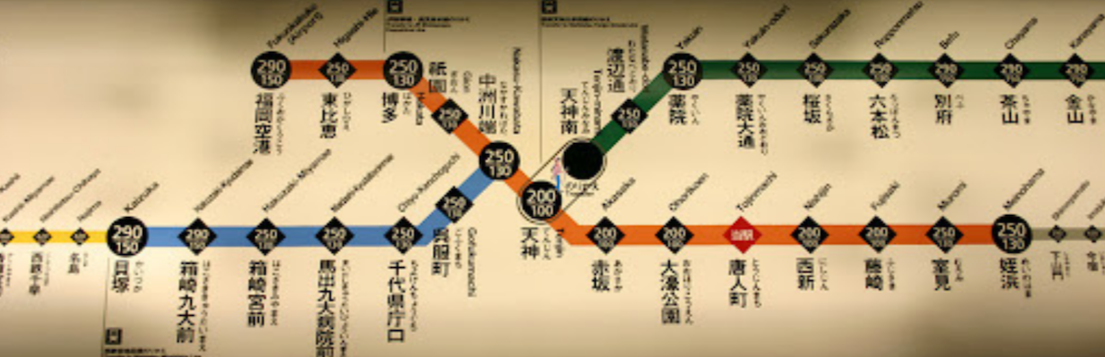
今朝天神まで来る時、いろんな道案内や印に従って来たと思います。でも、もしここに来る途中で、迷ってしまったとしたらどうでしょうか。
でも、もしここに来る途中で、迷ってしまったとしたらどうでしょうか。
例えば、案内の色やデザインに気を取られてしまい、「これは子どものゲームだ」と勘違いしてしまったら?
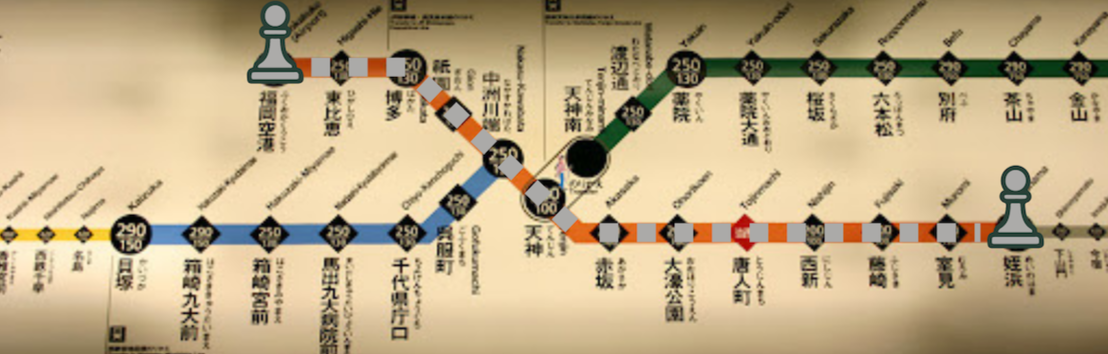
そして、フィギュアを取り出して、路線の端から端へとぴょんぴょん動かし、「ゲームに勝った!」と叫ぶんです。
もちろん、これはばかげた例えです。
でも、ここで言いたいのは道案内には目的があるということです。
私たち皆が理解しているのは、この案内が、路線とそれぞれの駅を示しているものだということです。
道案内の印の目的を知ってはじめて、その意味を正しく理解することができるのです。
ヨハネの福音書2章11節には、こう書かれています。
11 イエスはこれを最初のしるしとしてガリラヤのカナで行い、ご自分の栄光を現された。それで、弟子たちはイエスを信じた。
ヨハネの福音書の最初の10章は、よく「しるしの書」と呼ばれます。
今日は、その中の「最初のしるし」を見ていきます。
ヨハネは、イエス様の奇跡を「力のわざ」とは呼びません。その代わりに、意図的にギリシア語の sēmeia(セーメイア)、「しるし」という言葉を用いています。
ある聖書学者は、ヨハネの福音書についてこう指摘しています。
「これらのしるしは、イエスが行ったことそのものを超えて、イエスの真のアイデンティティと目的を指し示している。」
ヨハネが答えようとしているのは、「イエスとは、何者なのか?」と言う問いです。
この問いに答えるとき、ヨハネは、かつて自分が漁をしていたときに出会った一人のユダヤ人について語っているわけではありません。
ヨハネは、イエス様が、旧約聖書において何百年も前――イエス様が生まれる約800年前から預言され続けていたメシアであるということを主張をしているのです。
そして、イエス様ご自身も、死からよみがえられた後に、こう言われました。
44…わたしについて、モーセの律法と預言者たちの書と詩篇に書いてあることは、すべて成就しなければなりません。」
旧約聖書は、イエス様を指し示す一本の矢のようなものです。
そのことを念頭に、最初のしるし――水がぶどう酒に変えられた出来事(ヨハネの福音書2章1〜11節)を見ていきましょう。
それから三日目に、ガリラヤのカナで婚礼があり、そこにイエスの母がいた。
イエスも弟子たちも、その婚礼に招かれていた。
ヨハネの福音書1章の終わりで、イエス様が最初の弟子たちを招かれた後、イエス様は弟子たちとともに、ある結婚式に招かれます。
結婚の祝宴は、新約聖書の中でとても大切な役割を果たしています。
イエス様は、結婚の祝宴についてのたとえ話を二つ語ってます。
さらに、(マタイ・マルコ・ルカの)共観福音書では、イエス様ご自身が自分を花婿だと呼んでいます。
また、ヨハネの黙示録の最後では、キリストの再臨が結婚として描かれています。
これらの聖書箇所が約束しているのは、神様が歴史を最終的に完成させるとき、それは結婚の祝宴のようなものになるということです。
言い換えれば、歴史全体の目的とゴールは、神様に属する者たちが喜びに満ちた結婚の宴へと至ることなのです。
ヨハネの福音書2章に出てくるこの結婚式は、カナで行われました。カナと言う場所は、ヨハネ1章で登場したナタナエルの出身地でもあります。
この結婚式が、誰のものだったのかは分かっていません。
イエス様は結婚していなかったので、イエス様ご自身の結婚式ではないことは明らかです。
分かっているのは、この結婚式がガリラヤ地方で行われ、イエス様の故郷であるナザレから一日で行ける距離にあったということです。
また、イエス様の母マリアがそこにいたという事実から、この結婚式は、親戚か、とても親しい友人のものであった可能性が高いと考えられます。
当時、その地域では、結婚はしばしば両家の家族によって取り決められるものでした。そして結婚の祝宴は、その二つの家族の結びつきを祝う場でした。
祝宴は、一週間ほど続きました。花婿がもてなす側となるため、結婚の宴は通常、花婿の家で行われました。
3節には、こう書かれています。
3 ぶどう酒がなくなると、母はイエスに向かって「ぶどう酒がありません」と言った。
もてなしをする側が、十分なもてなしを提供できないということは、その夫婦に恥と不名誉をもたらすことでした。
ぶどう酒が尽きてしまうことは、もてなし役にとっても、また花嫁と花婿の家族にとっても、非常に大きな屈辱でした。
特に当時の文化や社会背景を考えたとき、これは決して些細な問題ではありません。
4節で、イエス様は母にこう答えられました。
4 「女の方、あなたはわたしと何の関係がありますか。わたしの時はまだ来ていません。」
ここでイエス様は、母親に失礼な態度を取っているわけではありません。
ここで使われている「女の方」というギリシア語には、完全に一致する日本語訳はありませんが、一般的には愛と敬意を込めて使われる表現です。
ヨハネの福音書の他の箇所で、イエス様が「わたしの時はまだ来ていない」と言われるときは、それはご自身の十字架での死を指していることが多いです。
しかし、ここヨハネ2章での、「わたしの時」とは、公での宣教が始まる時を指しているように思われます。
5〜7節を見てみましょう。
5 母は給仕の者たちに言った。「あの方が言われることは、何でもしてください。」6 そこには、ユダヤ人のきよめのしきたりによって、石の水がめが六つ置いてあった。それぞれ、二あるいは三メトレテス入りのものであった。7 イエスは給仕の者たちに言われた。「水がめを水でいっぱいにしなさい。」彼らは水がめを縁までいっぱいにした。
イエスは4節から7節にかけて、考えを変えたのでしょうか。
4節では「あなたはわたしと何の関係がありますか。わたしの時はまだ来ていません。」と言っているのに、7節では、イエス様は前に出て言って、しもべたちに「水がめを水でいっぱいにしなさい」と命じています。
ここで何があったのでしょうか?分かりません。
しかし、私たちが知っているのは、イエス様は神であり、いつも父なる神のみこころを行われるということです。
そこから、イエス様が介入し、しもべたちに水がめを水で満たすよう命じたことは、衝動的な判断ではなかったはずです。
イエス様は、弟子たちに何かを示そうとしておられたのです。
何を示しているのか続きを読んでいきましょう。
8節にはこうあります。
8 イエスは彼らに言われた。「さあ、それを汲んで、宴会の世話役のところに持って行きなさい。」彼らは持って行った。9 宴会の世話役は、すでにぶどう酒になっていたその水を味見した。汲んだ給仕の者たちはそれがどこから来たのかを知っていたが、世話役は知らなかった。それで、花婿を呼んで、10 こう言った。「みな、初めに良いぶどう酒を出して、酔いが回ったころに悪いのを出すものだが、あなたは良いぶどう酒を今まで取っておきました。」
宴会の世話役というのは、名誉ある役割でした。その責任の一つは、ぶどう酒の水割りの加減が適切かどうかを確認することでした。
結婚の祝宴では、普通は最初に最も良いぶどう酒を出すのが常識でした。なので、祝宴の後半になってから、より良いぶどう酒が出てきたことに、
彼は驚きました。
興味深いことに、ヨハネは、この水がめが「ユダヤ人のきよめのしきたりによって」用いられていたと書いています。
あなたが、イエス様から「水がめに水を満たしなさい」と命じられた当事者だったらと想像してみてください。
敬虔なユダヤ人であれば、「それは本来、そういう目的で使うものではない」と思ったはずです。
イエス様は、ユダヤ人がよく理解していたものを選び取り、まったく新しい光の中に置かれたのです。
それはまるで、「これは子ども用のゲームじゃなくて、駅を示す路線図なんだよ」と説明するようなものです。
イエス様は、その「しるし」を選び、本来の目的を示しておられるのです。
儀式的なきよめというものは、来たるべきメシアを待ち望む文脈の中に存在していました。そのメシアとは、「私たちの背きのために刺され、私たちの咎のために砕かれ...その打ち傷のゆえに、私たちが癒やされた」お方です。(イザヤ書53章5節)
聖書に出てくる「しるし」は、すべてイエス様を指し示しています。では、水がぶどう酒に変えられたこの出来事に対して、人々はどのように応答したのでしょうか。
11節を見てみましょう。
11 イエスはこれを最初のしるしとしてガリラヤのカナで行い、ご自分の栄光を現された。それで、弟子たちはイエスを信じた。
イエス様の最初のしるしの結論は、何だったのでしょうか。
もてなしが十分でなかったことによる不名誉を、家族は避けることができたでしょうか? はい、できました。
結婚の祝宴に集った人々は、その宴で最上のぶどう酒を楽しむことができたでしょうか? はい、できました。
しかし、それ以上にイエス様が水をぶどう酒に変えられた本当の目的は、「ご自分の栄光を現され」ることでした。
イエス様は、あなたにご自身に目を向けてほしい、知ってほしい、信頼してほしい、そして従ってほしいと願っておられます。
神様は、私たちの人生における良いことも、つらいことも用いて、ご自身を指し示してくれます。
だから、今日ここにいらっしゃる方々で、何か答えを求めているならば、イエス様のもとには、あなたに必要なすべての答えがあることを知っていただければと思います。
イエス様は、ありのままのあなたを迎え、出会ってくださいます。
イエス様は、あなたの疑問も、疑いも、過去も全て持って、来るよう招いてくれます。
次の箇所の「イエス様の宮きよめ」(ヨハネの福音書2章12〜17節)は、四つの福音書全てに記されている出来事です。
13 さて、ユダヤ人の過越の祭りが近づき、イエスはエルサレムに上られた。14 そして、宮の中で、牛や羊や鳩を売っている者たちと、座って両替をしている者たちを見て、15 細縄でむちを作って、羊も牛もみな宮から追い出し、両替人の金を散らして、その台を倒し、
過越の祭りは、ユダヤ人のお祭りです。
それは、エジプトで長子を打が打たれる災いが起こったとき、神様がイスラエルの民の家々を過ぎ越したことと、また、神様が彼らをエジプトの奴隷状態から救い出してくださったことを記念するものです。
この過越の祭りのために、多くの人々が遠くからエルサレムの神殿へと旅をしました。
1番初めの過越のとき、神様はイスラエルの民に過越のための小羊を屠って、その羊の血を家の門柱とかもいに塗るよう命じられました。
前回の箇所でバプテスマのヨハネは、イエス様を何と呼んだか覚えているでしょうか。
29 …「見よ、世の罪を取り除く神の子羊。(ヨハネ 1:29b)
イエス様は、過越の祭りのために神殿へと向かわれます。しかし、実はイエス様こそが、過越を成就させる存在なのです!イエス様が神の子羊なのです。
イエス様はそこで何をなさったのでしょうか。
イエス様は、台をひっくり返し、商人たちを追い出し、16節で、このように言われました。
16 鳩を売っている者たちに言われた。「それをここから持って行け。わたしの父の家を商売の家にしてはならない。」
牛や羊や鳩は、いけにえとして礼拝に用いられるものでした。
これらの動物が神殿で売られていたのは、人々が長い旅の途中で捧げるための動物を連れて来なくても済むようにするためでした。
イエス様が非難しているのは、犠牲の制度そのものではなく、それを取り巻く金銭的なシステムです。
しかし、それ以上に重要なのは、イエス様が「あなたがたは、神殿を本来あるべき姿とは全く違うものにしてしまった。」と言っていることです。
わたしの父の家を商売の家にしてしまったということです!
だからこそ、17節ではこう記されています。
17 弟子たちは、「あなたの家を思う熱心が私を食い尽くす」と書いてあるのを思い起こした。
この言葉は、詩篇69篇からの引用です。
神様はねたむほどに熱心な神です。それは、私たちがどのように生きているか、どのように他者を扱っているか、そしてどのように神様を敬い、礼拝しているかを、神様は気にかけておられるという意味です。
それでは、本文を続けて見ていきましょう。
23節には、こう書かれています。
23 過越の祭りの祝いの間、イエスがエルサレムにおられたとき、多くの人々がイエスの行われたしるしを見て、その名を信じた。24 しかし、イエスご自身は、彼らに自分をお任せにならなかった。すべての人を知っていたので、25 人についてだれの証言も必要とされなかったからである。イエスは、人のうちに何があるかを知っておられたのである。
この箇所は、人によっては難しく感じられるかもしれません。
人々は「信じた」と書かれています!それなのに、イエス様は彼らにご自身を委ねられませんでした。なぜなら、イエス様は彼らの心のうちを知っておられたからです。
ここで、人々はどのように応答しているのでしょうか。
条件付きの信仰で応答しています。
たとえばの話ですが、私と妻ジェシーとの関係が、「君が僕に良いことをしてくれるから、君を信頼する」というものだったとしたらどうでしょうか。
「それでも悪くない関係じゃない?」と言う人もいるかもしれません。
でも、その本質は『あなたが私の人生を幸せにしてくれるときは愛する』
と言っているのと似たようなものです。
自分がうつ状態になった時はどうでしょう。自分たちが深く傷ついているときはどうでしょう。
人生がつらいとき、それでも私は妻を愛するでしょうか。
私の愛や信頼は、物事がうまくいっていることを条件としているのでしょうか。
聖書が「24 しかし、イエスご自身は、彼らに自分をお任せにならなかった。すべての人を知っていたので」と語るとき、イエス様が問いかけておられるのは、
まさにこの点だと思うのです。聖書で使われている「信仰」という言葉は、単に神様の存在を頭で認めることだけを意味しているのではありません。
それは、自分の人生をかけて神様を信頼することを意味しています。
23節で、人々は「私は信じる」と言っていました。
しかしイエス様は、彼らが十字架までご自分について来ないことを知っておられました。
神殿は、神様がご自分の民と共におられることを示す象徴でした。個人的な関係のしるしでした。
ユダヤ人たちは、神殿できよめの儀式や、いけにえ、礼拝を行っていました。
そして、イエス様が追い出されたのは、売る者たちだけではありませんでした。他の福音書を見ると、イエス様は売る者と同時に、買う者たちも追い出しています。
儀式そのものが悪かったわけではなく、彼らの心のおもむきが間違っていたのです。
人々は、神殿においても、また日々の生活においても、神様を敬ってはいませんでした。
イエス様は、神殿でささげられていたいけにえが、罪を取り除くことはできないことを知っておられました。
そのいけにえは本来、世の罪を取り除く神の子羊を指し示すしるしだったはずです。
ただ教会に来ること、賛美の歌を歌うこと、聖書を読むこと、祈ること――これらすべては、神様への愛がなくても行うことができてしまいます。
私たちもまた、この礼拝の集まりを、神様よりも自分たちを大切にする「市場」のような場所にしてしまう可能性があるのです。
でも、イエス様が求めておられるのは、あなたの心です。
23節に登場する人々の信仰は、条件付きの信仰でした(23節)。
彼らは、人生が思い通りに進むときだけ、イエス様に従ったのです。
一方で、11節の弟子たちは、忍耐する揺るぎない信仰を持っていました(11節)。
彼らは、簡単だから従ったのではなく、イエス様が真実なお方だから従ったのです。
私たちは、人生の状況に左右されることなく、イエス様に信仰を置くという応答へと招かれています。
第二コリント5章17節には、こう書かれています。
17 ですから、だれでもキリストのうちにあるなら、その人は新しく造られた者です。古いものは過ぎ去って、見よ、すべてが新しくなりました。
イエス様は、より良い人生を送りたいというあなたの願いや、良い人に見られようとする努力、外側の見た目を見ておられるのではありません。
イエス様が見ておられるのは、あなたの心です。
イエス様は、あなたがイエス様についていくように招いておられるのです。
イエス様を「立派な道徳の先生」として受け入れ、尊敬していたとしても、真の信仰を持てないこともあり得ます。
あなたはもっとイエス様を知りたいと願っているでしょうか。
イエス様はあなたの友でしょうか。
あなたの救い主でしょうか。
あなたの王でしょうか
人を欺くことはできるかもしれません。
しかし神様を欺くことはできません。
イエス様に従っていくことは、もっと何かを「する」ことではなく、イエス様がすでに成し遂げてくださった真実に安らぐことです。
イエス様が神殿で商人たちを追い出されたのは、無謀で愛のない怒りの爆発ではありませんでした。
イエス様が伝えたかったのは、「あなたがたは、肝心なことを見失っている!」ということです。
本来の目的が、取り去られてしまっている、と。
私たちは簡単に、「神様は私たちを愛していて、私たちと共にいたいと願っておられる」という真理を、別の何かと取り替えてしまうことがあります。
あなたがどんな人間であっても、何をしてきた人であっても、神様の心は、あなたと共にいることを切に願っておられます。
イエス様は、あなたの人生をイエス様に委ね、救い主として信頼するように招いておられます。
前の章で弟子たちを招かれたとき、イエス様は、彼らが不完全だったことに怒ってはいませんでした。
むしろ、喜んで彼らを招き、従ってくるように呼ばれたのです。
最後の箇所は、「イエス、神殿を___する」(ヨハネの福音書2章18〜22節)です。
イエス様は、ここで何をなさるのでしょうか。その答えを、一緒に探っていきましょう。
イエス様が神殿をきよめられた後、18節には、こう書かれています。
18 すると、ユダヤ人たちがイエスに対して言った。「こんなことをするからには、どんなしるしを見せてくれるのか。」
ユダヤ人たちがここで投げかけたこの質問はとても印象的だと思います。
まるで、「あなたはこの場所の所有者なのですか?」と聞いているかのようです。
これらの台をひっくり返し、買う者や売る者を追い出す権利が、あなたにあることを証明する契約書を見せてください。そこに、あなたの名前は書いてあるのですか?」と尋ねているかのようです。
先ほど、神様がねたむほどに熱心なお方であることについて話しましたが、17節に戻ると、そこからは、神の17 「家を思う熱心はイエス様ご自身を食い尽くす」ほどのものだったとわかります。
これは、紀元前1000年頃に書かれた、イエス様についての預言的な言葉でした。
イエス様が神殿と、そこでささげられているいけにえや儀式をご覧になったとき、それらすべてが何を指し示しているのかを、イエス様はよくご存知でした。
ご自分の民と共に住みたいというその思いが、やがて十字架へと至る道であることも、イエス様は知っておられたのです。
19節には、こう書かれています。
19 イエスは彼らに答えられた。「この神殿を壊してみなさい。わたしは、三日でそれをよみがえらせる。」20 そこで、ユダヤ人たちは言った。「この神殿は建てるのに四十六年かかった。あなたはそれを三日でよみがえらせるのか。」21 しかし、イエスはご自分のからだという神殿について語られたのであった。22 それで、イエスが死人の中からよみがえられたとき、弟子たちは、イエスがこのように言われたことを思い起こして、聖書とイエスが言われたことばを信じた。
律法も、預言者も、そして神殿も――そのすべてはイエス様を指し示しています。
イエスは、神殿そのものを非難しているわけではありません。
イエス様こそが、神殿に取って代わるお方なのです。(ヨハネの福音書2章18〜22節)
そしてイエス様は、ヨハネの福音書4章で、サマリアの女にこう言われました。
“...この山でもなく、エルサレムでもないところで、あなたがたが父を礼拝する時が来ます。
だからこそ、私たちは今日、神殿で集まってはいないのです。
イエス様は、私たちには生きることのできなかった罪のない人生を生き、私たちの代わりに死に、十字架で私たちの罪を負い、そして三日目によみがえられたから私たちは、イエス様に信頼する信仰によって、神様と平和な関係を持つことができるのです。
ちょうどユダヤ人たちが、過越のたびに神殿へ行き、いけにえをささげていたように、私たちもイエス様のもとにいつでも来ることができるのです。
今ではもう、いけにえは、ただ一度きりで、完全にささげられました。
代価はすでに支払われています。もしあなたがそう信じるなら、イエス様は、あなたのすべての罪を赦してくださいます。
あなたに必要なものは、すべてイエス様のうちにあります。
ローマ人への手紙5章には、こう書かれています。
1 こうして、私たちは信仰によって義と認められたので、私たちの主イエス・キリストによって、神との平和を持っています...6 実にキリストは、私たちがまだ弱かったころ、定められた時に、不敬虔な者たちのために死んでくださいました。7 正しい人のためであっても、死ぬ人はほとんどいません。善良な人のためなら、進んで死ぬ人がいるかもしれません。8 しかし、私たちがまだ罪人であったとき、キリストが私たちのために死なれたことによって、神は私たちに対するご自分の愛を明らかにしておられます。9 ですから、今、キリストの血によって義と認められた私たちが、この方によって神の怒りから救われるのは、なおいっそう確かなことです。10 敵であった私たちが、御子の死によって神と和解させていただいたのなら、和解させていただいた私たちが、御子のいのちによって救われるのは、なおいっそう確かなことです。
イエス様の死と復活は、死に打ち勝ち、「イエスとは何者なのか」という問いに答えを与えてくれます。
イエス様は、生ける神の子、キリストです。
そして私たちがイエス様に信頼を置くとき、私たちの罪も恥も洗い流し、恵みをもって新しいいのちを与えてくださいます。
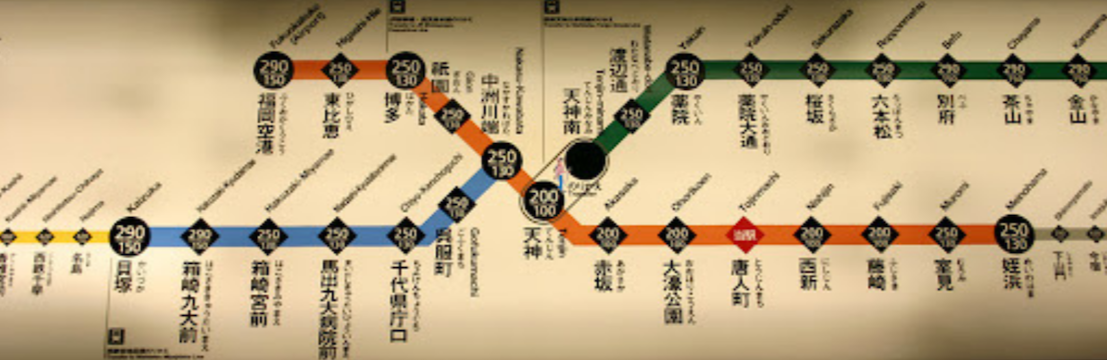
When you came to Tenjin this morning, you might have followed some signs.
But what if, on your way here, you got confused?
You got distracted by the colors and design.
And you said, “I think this is a kids’ game.”
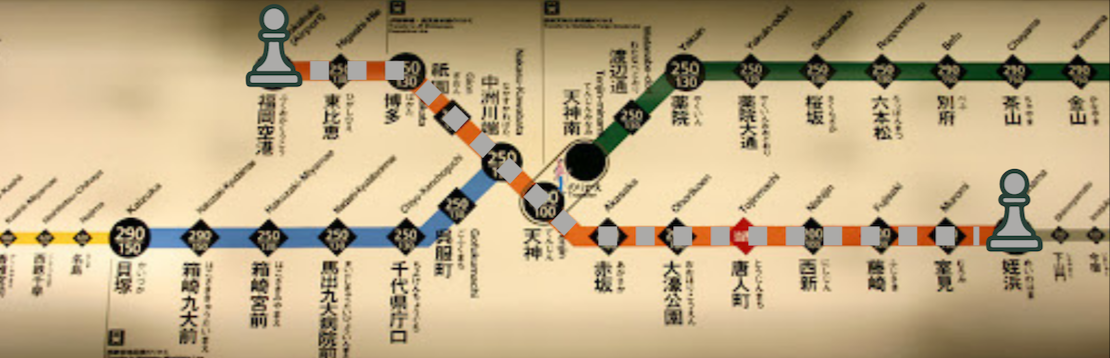
So you took a figurine out and hopped it from one end of the sign to the next.”
“I won the game!” you shout.
This, of course, is a silly example.
But it shows that signs have a purpose.
We all understand that this sign shows train lines with different stations.
Only when you know the purpose of a sign can you understand it.
John 2:11 says,
11 What Jesus did here in Cana of Galilee was the first of the signs through which he revealed his glory; and his disciples believed in him.
The first ten chapters of John’s Gospel are sometimes referred to as the “Book of Signs.”
Today, we are looking at the “first of the signs.”
John doesn’t describe these as “works of power.”
Instead, he deliberately chooses the Greek word sēmeia, meaning “signs”.
One scholar points out that in the gospel of John…
“The signs point beyond what Jesus did to his true identity and purpose.”
John is answering the question: Who is Jesus?
When John answers this question, he isn’t just talking about a Jewish man he once met while fishing.
John is making the claim that Jesus is the Messiah who was prophesied in the Old Testament 800 years before Jesus was born.
Jesus himself said after rising from the dead 44 …Everything must be fulfilled that is written about me in the Law of Moses, the Prophets and the Psalms.”
The Old Testament is an arrow pointing at Jesus.
With that in mind, let’s look at the first sign: water turned to wine (John 2:1-11)
1 On the third day a wedding took place at Cana in Galilee. Jesus’ mother was there, 2 and Jesus and his disciples had also been invited to the wedding.
So after Jesus calls his first disciples at the end of John 1, Jesus—along with his disciples—is invited to a wedding.
Wedding banquets play a significant role in the New Testament.
Jesus tells two parables about wedding banquets.
In addition, Jesus calls himself the bridegroom in the Synoptic Gospels.
At the end of the book of Revelation, the return of Christ is pictured as a wedding.
The promise of these passages is that when God brings history to its final conclusion, it will be like a wedding banquet.
In other words, the whole goal and purpose of history is that it should culminate in a joyful wedding feast for those who belong to God.
The wedding in John 2 took place in Cana, which is where Nathanael—whom we met in John 1—is from.
We don’t know whose wedding this is.
Jesus was never married, so we know it was not Jesus’ wedding. That is very clear.
We do know the wedding was in Galilee and within a day’s journey of Nazareth, Jesus’ hometown.
And the fact that Jesus’ mother was there makes it likely that this was the wedding of a relative or close friend.
In this time and place, marriages were often arranged by the two families.
And the wedding feast was the celebration of the union of those families.
The feast often lasted a week.
The groom was usually the host, so the wedding feast was typically held at his home.
Verse 3 says,
3 When the wine was gone, Jesus’ mother said to him, “They have no more wine.”
For the host to not provide proper hospitality would bring dishonor to the couple.
Running out of wine would have been humiliating to the host and the families of the bride and groom.
Especially in this time and culture, this is no small matter.
Jesus replied to his mother in verse 4:
4 “Woman, why do you involve me?” Jesus replied. “My hour has not yet come.”
Jesus is not being rude here.
The Greek word used for “woman” here doesn’t have a perfect translation, but generally it can be used in a loving and respectful way.
Other places in the gospel of John when Jesus says, “my hour has not yet come,” he is talking about his crucifixion. However here in John 2, “my hour” seems to be referring to the beginning of his public ministry.
Verses 5-7:
5 His mother said to the servants, “Do whatever he tells you.” 6 Nearby stood six stone water jars, the kind used by the Jews for ceremonial washing, each holding from twenty to thirty gallons. 7 Jesus said to the servants, “Fill the jars with water”; so they filled them to the brim.
Did Jesus change his mind between verses 4 and 7?
In verse 4 he says why do you involve me? And my hour has not yet come, and in verse 7 Jesus steps in and orders the servants to fill the jars with water.
What happened? We don’t know.
But we know Jesus is God, and always does the will of the Father.
And so Jesus stepping in and ordering the servants to fill the jars with water is not a reckless choice.
Jesus wants to show his disciples something.
Let’s continue reading.
Verse 8 says this:
8 Then he told them, “Now draw some out and take it to the master of the banquet.” They did so, 9 and the master of the banquet tasted the water that had been turned into wine. He did not realize where it had come from, though the servants who had drawn the water knew. Then he called the bridegroom aside 10 and said, “Everyone brings out the choice wine first and then the cheaper wine after the guests have had too much to drink; but you have saved the best till now.”
The master of the feast was an honorary position.One of their responsibilities was to make sure the levels of the dilution of the wine were good.
At wedding feasts, you would always serve the best wine first.
And so he is surprised when the best wine is served later on in the feast.
Interestingly, John says that these water jars are “used by the Jews for ceremonial washing.”
Imagine you are the one Jesus orders to fill the jars with water.
If you’re a faithful Jew, you think to yourself, that’s not what they’re supposed to be used for.
Jesus is taking things the Jewish people understand, and putting them in a new light.
Like explaining to someone, “it’s not a kid’s game. It’s a map of train stations.”
Jesus is taking the sign, and showing them its purpose.
Ceremonial washing existed in the context of waiting for the coming Messiah, the Christ who would be pierced for our transgressions…crushed for our iniquities…and by his wounds we are healed. (Isaiah 53:5)
Signs in the Bible all point to Jesus.
So what were people’s responses to Jesus turning water to wine?
Let’s look at verse 11.
11 What Jesus did here in Cana of Galilee was the first of the signs through which he revealed his glory; and his disciples believed in him.
What was the result of Jesus' first sign?
Did the families avoid receiving dishonor for not having proper hospitality? Yes.
Did the wedding guests enjoy drinking the best wine of the feast? Yes.
But the true purpose Jesus turned water to wine was to “reveal his glory”.
Jesus wants you to see Him, to know Him, to trust Him, and to follow Him.
God uses both the good and the hard things in our lives to point us to Himself.
And so if you’re here today seeking answers, I want you to know that Jesus has all the answers you need.
Jesus welcomes and meets you where you are.
Jesus asks you to bring your questions, doubts, and past.
This next section - Jesus Clears the Temple (John 2:12-17) - is found in all four gospel accounts.
13 The Passover of the Jews was at hand, and Jesus went up to Jerusalem. 14 In the temple he found those who were selling oxen and sheep and pigeons, and the money-changers sitting there. 15 And making a whip of cords, he drove them all out of the temple, with the sheep and oxen. And he poured out the coins of the money-changers and overturned their tables.
Passover is a Jewish festival. It’s a time to remember God passing over the houses of the Israelites during the plague that killed the Egyptian firstborn, and rescuing them out of slavery in Egypt. Many people would travel from afar to come to the temple for Passover.
In the first passover, God commanded the Israelites to slaughter a passover lamb and to take some of its blood and wipe it on the doorframe of their houses.
Do you remember from last week what John the Baptist said about Jesus?
29…“Look, the Lamb of God, who takes away the sin of the world! (John 1:29b)
Jesus is going to the temple on Passover. But He is the fulfillment of Passover! He is the Lamb of God.
And what does he do? He overturns the tables, drives out the sellers, and this is what he says in verse 16.
16 To those who sold doves he said, “Get these out of here! Stop turning my Father’s house into a market!”
The cattle, sheep, and doves were used in sacrificial worship.
They were sold at the temple so that people wouldn’t have to bring their own sacrificial animals on a long journey.
Jesus is condemning the financial system for the sacrificial system.
But much more important, Jesus is saying you’ve turned the temple into something it was never meant to be.
You’ve made my Father’s house into a market!
This is why in verse 17
17 His disciples remembered that it is written: “Zeal for your house will consume me.”
This quote comes from Psalm 69.
God is a zealous God. Meaning, he cares about how we live, how we treat others, how we honor him and worship him.
Continuing in our passage, Verse 23 says:
23 Now while he was in Jerusalem at the Passover Festival, many people saw the signs he was performing and believed in his name. 24 But Jesus would not entrust himself to them, for he knew all people. 25 He did not need any testimony about mankind, for he knew what was in each person.
For some, this is a difficult passage. The people believe! But Jesus doesn’t entrust himself to them because he knows their hearts.
How are the people responding here? With Conditional Faith.
If my relationship with my wife Jesse was simply, “I trust you because you do nice things for me.” Some people might say, “that doesn’t sound so bad.” But at its core, it’s saying I love when you make my life happier.
What happens when I have depression? What happens when we’re hurting? When life is hard, do I still love my wife? Is my love and trust contingent on things being good?
I think this is what Jesus is getting at when the text says “he (Jesus) would not entrust himself to them, for he knew all people.”
When the Bible uses the word “faith,” it doesn’t only mean to intellectually acknowledge the existence of God. It also means to trust God with your life.
In verse 23, Jesus heard people say “I believe”. But he knew they wouldn’t follow him to the cross. The temple was a picture of God being with his people. Having a personal relationship.
The Jews were having rituals of cleansing, sacrifice, and worship in the temple. And it wasn’t just the sellers Jesus drove out. In the other gospels, Jesus drove out both the sellers and the buyers.
The rituals weren’t evil, but their hearts were wrong. People were not honoring God in the temple or in their lives. Jesus knows these sacrifices in the temple cannot take away sins. But it was meant to be a sign pointing to the lamb of God who takes away the sins of the world.
Coming to church, singing songs, reading the Bible, praying–all of these things can be done without a love for God. It’s possible for us to turn this church gathering into a marketplace where we care more about us than God. Jesus wants your heart.
The people in verse 23 had Conditional Faith (v23). They followed Jesus only when life went according to their plan.
But the disciples in verse 11 had Enduring Faith (v11). They followed Jesus not because it was easy, but because He is true.
We should respond by putting our faith in Jesus regardless of our life’s circumstances.
2 Corinthians 5:17:
17 Therefore, if anyone is in Christ, the new creation has come: The old has gone, the new is here!
Jesus doesn’t look at your desire for a better life, your effort to look like a good person, or your outward appearance.
Jesus calls you to follow him.
You can accept Jesus as a moral teacher and think highly of Jesus and not have true faith.
Are you longing to know him more?
Is he your friend?
Is he your Savior?
Is he your King?
You can fool humans. But You can’t fool God.
Following Jesus is not about doing more, but resting in what Jesus has already accomplished.
Jesus driving out the sellers in the temple wasn’t a reckless, unloving flash of anger. Jesus was saying you’re missing the point! You’re stripping away the intended purpose.
We can easily exchange the truth that God loves us and wants to be with us with us for something else. Whoever you are, whatever you’ve done, God’s heart longs to be with you.
Jesus is inviting you to give your life to him and to trust in Him as your Savior. When he called the disciples' last chapter, he wasn’t angry that they weren’t perfect. He was eager to invite them to follow.
The last section– [Jesus *_______* the Temple (John 2:18-22)]
What does Jesus do? Let’s find out the answer.
After Jesus cleared the temple, Verse 18 says:
18 The Jews then responded to him, “What sign can you show us to prove your authority to do all this?”
I love how the Jews ask this question. It’s like asking, “Are you the owner? Can you show us the contract with your name on it to prove you have the right to overturn all of these tables and kick out the buyers and sellers?”
We talked about how God is zealous, but back in verse 17, it also says that Jesus’ zeal for God’s house will consume him. This is a prophetic statement about Jesus written around 1000 B.C..
When Jesus looked around at the temple, the sacrifices, the rituals, he knew what it all pointed to. He knew his desire to dwell with his people would lead to the cross.
Verse 19:
19 Jesus answered them, “Destroy this temple, and I will raise it again in three days.” 20 They replied, “It has taken forty-six years to build this temple, and you are going to raise it in three days?” 21 But the temple he had spoken of was his body. 22 After he was raised from the dead, his disciples recalled what he had said. Then they believed the scripture and the words that Jesus had spoken.
The Law, The prophets, The temple – it all points to Jesus.
Jesus doesn’t condemn the temple. He (Jesus) replaces the temple (2:18-22).
Jesus says to the Samaritan woman in John 4,
“...a time is coming when you will worship the Father neither on this mountain nor in Jerusalem.”
This is why we aren’t meeting in a temple this morning.
You can have peace with God through faith in Jesus because he lived the sinless life we couldn’t live, died in our place, bore our sins on the cross, and rose again three days later. Just like the Jewish people would travel to the temple every Passover to offer sacrifices, you can come to Jesus.
Today, the sacrifice has been made once and for all. The price is paid. If you believe, he will forgive you of all your sins. Everything you need is found in Jesus.
Romans 5 says:
1 Therefore, since we have been justified through faith, we have peace with God through our Lord Jesus Christ…6 You see, at just the right time, when we were still powerless, Christ died for the ungodly. 7 Very rarely will anyone die for a righteous person, though for a good person someone might possibly dare to die. 8 But God demonstrates his own love for us in this: While we were still sinners, Christ died for us. 9 Since we have now been justified by his blood, how much more shall we be saved from God’s wrath through him! 10 For if, while we were God’s enemies, we were reconciled to him through the death of his Son, how much more, having been reconciled, shall we be saved through his life!
Jesus’ death and resurrection defeated death and answers the question, Who is Jesus?
He is the Christ, the Son of the living God.
And when we put our trust in him, he washes away our sin, our shame, and gives us a new life by his grace.
