イエスを疑うとき Questioning Jesus|ヨハネの福音書7章 John 7
(English below)
よく物議を醸す話題について話しているYouTubeの動画で、ある時面白いコメントを見つけました。同時に、コメントつけた人が動画のなんパーセントを見たか表示できるようにして欲しいな、とかも思いましたが。
なんだか多くの人が動画のタイトルだけでその中身を推測して、その推測だけでコメントを残している気がするんですよね。実際に動画を見ると、コメントを残した人たちが本当に動画を見たのか見てないのかよく判ります。
今日の箇所は、どの時代でも、実際に動画を見ずにコメントする事が、いかに問題を引き起こすか教えてくれます。
もしヨハネの福音書がYouTubeの動画だったら、7章はコメント欄ですね。
ヨハネの福音書の7章で、イエスはエルサレムの仮庵の祭りに行きます。
この祭りでは様々な「水をかける」儀式があり、どれも二つの意味を持っています。
出エジプト記で記録されている、神の業による水の備え
メシヤが来た時に聖霊が注がれること
イエスは、彼こそが聖霊を注ぐメシヤであると伝えていました。もちろん、その発言が物議の元になってしまうのですが。
ヨハネの福音書7章から見えてくる人の特徴は、こんにちでも健在です。人は答えの有無を問わず質問したがり、根拠のない主張を繰り返し、情報が不足している中で結論づけます。このような姿勢では、イエスから何かを学ぶのはほとんど不可能です。
ですが、今日は違った姿勢で臨みましょう。これが、今日のメインポイントでもあります。
イエスから学ぶには、正しい質問、正しい情報、正しい姿勢が必要です
イエスは、探究心があり、忍耐強く、教わる姿勢を持つ人に働きかけます。
では、その心で、イエスについて5つ、質問をしてみましょう。
質問1:イエスは、犠牲を払う価値があるのか?
高校生の時、友人に「崖から池に飛び込んでみない?」と誘われました。私は「…うーん、もちろん!」と返事しました。
2時間車を走らせて駐車場につくと、既にそこにいた人たちが誓約書に署名してました。
そこで一気に緊張が走って「リスクについても説明が欲しかったな!」とか思いました。
事前の告知は大切ですよね。イエスに従うことにはリスクを伴います。
リスクの一つは、イエスは人の期待に答えない、です。
ヨハネの福音書 7章3~5節
そこで、イエスの兄弟たちがイエスに言った。「ここを去ってユダヤに行きなさい。そうすれば、弟子たちもあなたがしている働きを見ることができます。自分で公の場に出ることを願いながら、隠れて事を行う人はいません。このようなことを行うのなら、自分を世に示しなさい。」兄弟たちもイエスを信じていなかったのである。
イエスの兄弟たちは別に悪気をもって提案したわけではないと思います。「イエスよ、ユダヤに行っていくつかの奇跡を行えば、すぐに大物になれるよ!」ユダヤは、日本で例えると関東のような場所です。有名でお金持ちになりたかったら、行く場所なんです。
しかしイエスの兄弟たちは信じていなかったので、イエスの使命を理解していませんでした。例えるなら、私のノンクリスチャンの友人が「バプテスマを増やしたかったらマーケティング戦略を練らないと!」と提案してくるような感じです。彼女の提案は良心から来たものでしょうが、緻密に練られたマーケティング戦略でイエスを信じさせる事はできないんですよね。神の働きが必要ですから。
イエスは神の働きを、神の手段で、神が定めた時間に行います。ヨハネの福音書の2章から6章でイエスは奇跡を働き、大きな群勢を驚かせました。しかし7章と8章で、イエスは一つも奇跡を起こしません。
もう一つのリスクは、イエスは人の罪を晒すことです
イエスは兄弟にこう伝えます:世はあなたがたを憎むことができないが、わたしのことは憎んでいます。わたしが世について、その行いが悪いことを証ししているからです。
よく言われますが「イエスが嫌われるのは、罪が好まれるからです」
人は、イエスが自分の罪をつつき始めるまで彼の教えに耳を傾けます。ある食器を洗っていた時、私の娘ハイジが静かに遊んでいました。静かすぎるほどに。様子を伺おうと目を向けると、目を見開き、口いっぱいにアンパンマンクッキーをほおばっていました。私に気づくと、クッキーをだき抱えて走り出しました。私がそれを止めに入った事に彼女は怒ってましたが、彼女にその行為を続けさせる方が愛のない行動だと思います。同じように、イエスは私たちが罪を手放すよう働きかけます。
さらにもう一つのリスクは、イエスは人の意見を二分させるということです。
イエスの兄弟たちはエルサレムでの祭りに向かい、イエスも遅れて現れます。この時、イエスはそこそこ有名になっていました。なので、イエスの兄弟がイエス抜きで現れた時、人々は驚くわけです。
群衆はイエスについて、小声でいろいろと話をしていた。ある人たちは「良い人だ」と言い、別の人たちは「違う。群衆を惑わしているのだ」と言っていた。
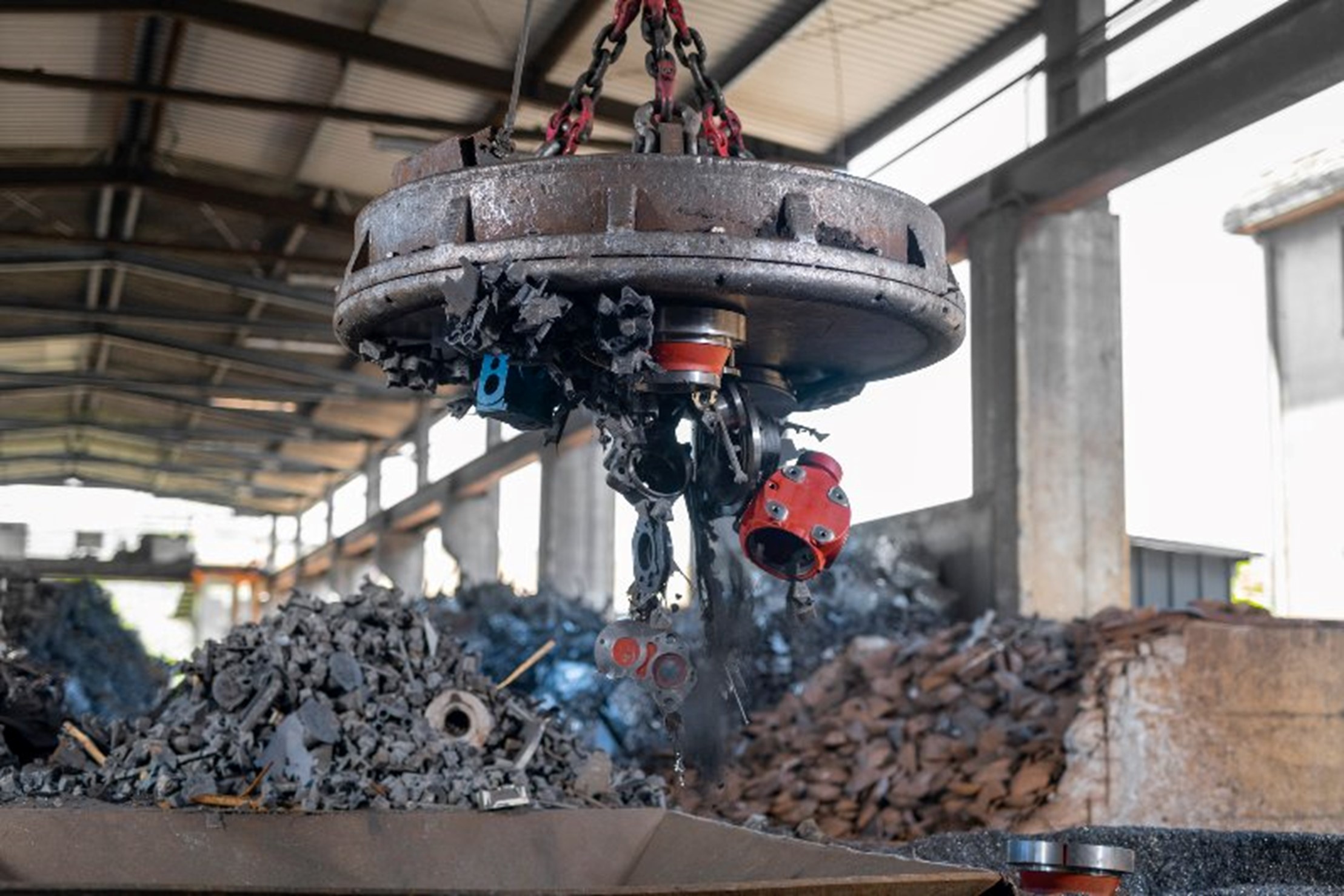
イエスは、リサイクル処理場にある磁力選別機みたいなこともします。イエスと対峙すると、じっとしているのは不可能です。人によっては速く、力強く、間違いなくイエスに引き寄せられます。ただ、人によってはそうでない場合もあります。
さきほど話した崖からの飛び込みは、無事に終えられました。しかし、命を掛けるほどの価値がある体験だったかと聞かれると「絶対にない」です。
イエスに信仰を置く前、イエスは誓約書をあなたに渡します。イエスはあなたに罪を手放し、人から嫌われるリスクがあることに署名を求めます。さて、それだけの価値はありますか?絶対にあります!
するとあなたは「イエスに従ってみるよ」と思うかもしれません。しかし、まだいくつかの質問が残っています。続いての質問は、
質問2:イエスはどこから来たのか?
祭りもすでに半ばになったころ、イエスは宮に上って教え始められた。
ユダヤ人たちは驚いて言った。「この人は学んだこともないのに、どうして学問があるのか。」
ユダヤ教の教師たちは、非常に高い学びを積んでいたと言われています。彼れらは自ら何か作り出す事はなく、権威ある教師たちに頼る必要がありました。しかしイエスは、公的な教えは受けていませんでした。彼は、権威ある教師の名のもと教えませんでした。なので彼らは「誰の権威のもと教えているのか」と尋ねるわけです。
そこで、イエスは彼らに答えられた。「わたしの教えは、わたしのものではなく、わたしを遣わされた方のものです。
イエスは父なる神から送られた、神の御子です。私が教えるとき、私は聖書箇所や神学者の言葉を引用します。しかしイエスが教える時、彼は「神が、私に天で直接このように教えた」と言えるのです。ですが、イエスの教えが本当に神から来たとなぜ言えるのか?
だれでも神のみこころを行おうとするなら、その人には、この教えが神から出たものなのか、わたしが自分から語っているのかが分かります。
ここは循環論法的に聞こえるかも知れませんが、イエスはただ、もしあなたが心からイエスに従おうとするのなら、知性的にも、彼が神から来たのだと理解します。つまり、信じない限り、理解する事はないのです。
友人とボードゲームをしたことはありますか?そのゲームは初めてで、友人が遊び方を説明してくれるのですが、何言ってるのかちんぷんかんぷんな時ありません?結局彼らも「一度やってみないと理解できないよ」とか言います。でも、その言葉どおりなんです。実際にやってみるとゲームの仕組みを理解していきます。そして、続けると更に理解していきます。クリスチャン人生も同じです。
多くの時間をかけて、イエスの教えが正しいかどうか分析する事もできますが、イエスに従い始める、と言う選択肢もあります。イエスを信頼する事にコミットすればいいのです。そしてその道中、あなたが求めいてた答えが、イエスから与えられるかも知れません。
イエスは自分どこからその権威を得たのか、またより物議を醸すような質問にさえも答えを与えてくれます。
質問3:イエスがメシヤなのか?
さて、エルサレムのある人たちは、こう言い始めた。「この人は、彼らが殺そうとしている人ではないか。見なさい。この人は公然と語っているのに、彼らはこの人に何も言わない。もしかしたら議員たちは、この人がキリストであると、本当に認めたのではないか。しかし、私たちはこの人がどこから来たのか知っている。キリストが来られるときには、どこから来るのかだれも知らないはずだ。」
27節は、もう気をおかしくさせそうです。
メシヤの出所は知らされていない、と信じている人たちがいました。なのでその人たちは「私たちはこの人がどこから来たのか知っている」と言うわけです。彼らは、イエスがガリラヤで生まれたのだと思い込んでいました。違いますが。そしてこの間違った情報をもとにイエスを否定したのです。酷いのは、推測するのではなく、イエスに聞けばよかったのです。そこに居たし!
こんなコメントを残している人もいます「イエスへの糾弾は誤解からはじまった」と。
イエスは物理的に私たちの前に居るわけではありませんが、彼のことを学ぶ方法はいくつもあります。
ちょっとしたアクティビティをしてみましょう。紙と鉛筆を取り出してください。
キリスト教、または聖書にまつわる質問を一つ書いてみてください
もしイエスに聖書のことについてどんな事でも聞けるとしたら、何を聞きますか?
「イエスは本当に死から蘇ったの?」
「なぜ神は人が苦しむ事を許すのか」
「ヘブライ人への手紙はどう理解すればいいの」など書けるかもしれません。
そして質問を書き出すのと同じく大切なのが、答えをどこで見つけるか書く事です。
これについては、
クリスチャンに聞く、でもいいです。礼拝の後にある「テーブルトーク」で誰かに聞けるかも知れません。
聖書を見てみる、と書いた方は、コミュニケーションカードの裏にある聖書のアプリにつながるQRコードを活用してみてください。
信用できる文献から、と書いた方は、同じくQRコードから英語と日本語の両方でおすすめの文献を見れるようになっています。
誤った情報を持っていたものの、多くの人は信じました。
群衆のうちにはイエスを信じる人が多くいて、「キリストが来られるとき、この方がなさったよりも多くのしるしを行うだろうか」と言い合った。
この31節で語られている事は、イエスを正しく弁論しています。イエス以上に、キリスト、メシヤである事を証明できる人はいるでしょうか?そして私の意見としては、イエスがメシヤでないのであれば、メシヤはいません。
イエスは、何百にものぼる旧約聖書のメシヤに間する預言を成就しています。それだけでなく、キリスト教が形成され始めた当初、多くの人がイエスの主張は信頼性があるものとしていました。
この本「キリスト教とローマ帝国」で、ロドニー・スタークはローマ帝国時代の人口調査について話ており、1世紀では人口の0.01%だったキリスト教が、3世紀には10.5%まで増えていました。これは、キリスト教は犯罪だとされており、社会的に広まる力が無かった時代での出来事です。偶然が重なりすぎて、もはや計画されているようです。このことについては、次に続く質問で話しましょう。
質問4:イエスはなぜ死ぬ必要があったのか
そこで人々はイエスを捕らえようとしたが、だれもイエスに手をかける者はいなかった。イエスの時がまだ来ていなかったからである。
ヨハネの福音書 7章30節
ヨハネはイエスが「どのように」捕えられることから回避したのかは書いていません。しかし、「なぜ」かは書いてあります。神の計画だったからです。ヨハネが「イエスの時」と書く時、それは彼の十字架を指しています。
十字架は決して悲劇的な事故ではなく、神の計画だったのです。神は十字架を計画しただけでなく、それがいつ起きるのかも計画しました。だからこそ、ヨハネの福音書7章でイエスは殺されそうになりますが、彼は何も心配していないのです。歴史は常に神の計画どおり刻まれると、イエスは知っているからです。
私はいつも、日本の電車がほとんど定刻通りに来ることに驚きます。東海道新幹線の平均遅延時間は1分だそうです。しかし、神の計画はゼロコンマ数秒も遅れることはありません。
使徒の働き2章23節でイエスは「神が定めた計画と神の予知によって引き渡された」と書いてあります。何故か?それは、それ以外に罪人が聖なる神と和解する方法がないからです。十字架でイエスは、信じる者に降り注がれるはずだった神の御怒りを受け取ったのです。
だから、悔い改めて信じてください。そうすればイエスがあなたの罪を洗い、永遠のいのちを与えてくれます。
しかし、信じるって実際にどういうことなの?次の最後の質問で見ていきましょう。
質問5:あなたはイエスにどう応えるか
さて、祭りの終わりの大いなる日に、イエスは立ち上がり、大きな声で言われた。「だれでも渇いているなら、わたしのもとに来て飲みなさい。わたしを信じる者は、聖書が言っているとおり、その人の心の奥底から、生ける水の川が流れ出るようになります。」
ヨハネの福音書 7章37~38節
思い出していただきたいのが、この祭りは神が砂漠で水を与える事を表わしていることです。そこでイエスは「この世という砂漠で渇いた者たちよ、私のもとに来て飲みなさい」と言っています。しかし、イエスが渡すこの「生ける水」とはなんでしょうか?
イエスは、ご自分を信じる者が受けることになる御霊について、こう言われたのである。イエスはまだ栄光を受けておられなかったので、御霊はまだ下っていなかったのである。
ヨハネの福音書 7章39節
はっきりさせておきたいのが、霊なる神はこれよりも前に働いていました。旧約聖書では、聖霊は、ダビデ王など、特定の信仰者が神に奉仕できるよう働いていました。しかしエゼキエルやヨエルなどの預言者は、信じる人全員に聖霊がそそがれる未来を見ていました。
さて、38節の「その人の心の奥底から、生ける水の川が流れ出る」はいくつかの議論を引き起こしています。それは、この生ける水、聖霊が、誰の心から流れ出るのかという事です。イエス、それともクリスチャン?
私からすれば、それは「Fijiの水をどこで手に入れるのか」という質問と同じだと思っています。
Fijiのペットボトルを買うのか、それとも水源に行って汲んで来るのか?
たまに、ある特定のクリスチャンと時間を過ごした後、励まされ、心が癒されたな、かんじる事はありませんか?それはあなたが、生ける水を味わったからです。しかし、なぜその源に行かないのでしょうか?あなたは本当に変える、本当の力が欲しいですか?生ける水の主であるイエスに歩み、新しいいのちを受け取ってください。しかし、全員が励まされたり、癒されたわけではありません。
こうして、イエスのことで群衆の間に分裂が生じた。
ヨハネの福音書 7章43節
ヨハネの福音書7章の最後では、人々の様々なイエスへの反応を見ることができます。何人かの人はイエスを信じます。このことばを聞いて、群衆の中には、「この方は、確かにあの預言者だ」と言う人たちがいた。
ヨハネの福音書 7章40節
何人かはイエスに疑問を持ちます
別の人たちは「この方はキリストだ」と言った。しかし、このように言う人たちもいた。「キリストはガリラヤから出るだろうか。キリストはダビデの子孫から、ダビデがいた村、ベツレヘムから出ると、聖書は言っているではないか。」
ヨハネの福音書 7章41~42節
ただ、イエスはベツレヘムで生まれ、ダビデ王の子孫でもあるんです。彼らは自分たちの疑問がイエスの妥当性を脅かすものとしています。彼らはただ、自らの疑問や質問に対するイエスの回答を知性を持って聞く事を怠ってしまったのです。
霊的な話しにおいて、人はネガティブな質問を溜め込みがちです。「愛ある神がなぜ人を地獄に送るんだ?」「十字軍はどうなんだ」「クリスチャンって言って人、すごい意地悪だった」
ただ、彼らは別に回答を求めているわけではありません。実際の議論を回避するための彼らの立ち回り方です。そういう時は「良い質問だね。一個ずつ詳しく話しを聞かせてよ」と優しく声をかけるのが得策です。
何人かはイエスを嫌います
彼らの中にはイエスを捕らえたいと思う人たちもいたが、だれもイエスに手をかける者はいなかった。
ヨハネの福音書 7章44節
もしイエスの主張があなたを怒らせるのなら、それはあなたが彼を理解し始めているからです。不思議なことに、怒りは時に、心からの繋がりの始まりだったりします。
何人かはイエスに驚きます
パリサイ人たちはイエスを捕えるようにと下役を送りましが、彼はできませんでした。その彼らの言い訳が素晴らしいんです。
さて、祭司長たちとパリサイ人たちは、下役たちが自分たちのところに戻って来たとき、彼らに言った。「なぜあの人を連れて来なかったのか。」
ヨハネの福音書 7章45節
デイビッド・ヒュームという無神論者の哲学者がある日、ジョージ・ワイトフィールドの説教を聞きにいく姿を目撃されます。彼の友達が驚いた様子で「ワイトフィールドが説教している事を信じているわけじゃないよね?」と彼に尋ねると、ヒュームはこう答えます。「私は信じていない。だが、彼は信じている」
そして最後に、何人かはイエスを試します
パリサイ人たちは下役がイエスを捕えられなかった事に激昂しています。
そこで、パリサイ人たちは答えた。「おまえたちまで惑わされているのか。議員やパリサイ人の中で、だれかイエスを信じた者がいたか。それにしても、律法を知らないこの群衆はのろわれている。」
ヨハネの福音書 7章47~49節
要するに「無知な群衆は信じるが、学のある我々が信じるわけないだろう?」と言っています。
しかし50節で
彼らのうちの一人で、イエスのもとに来たことのあるニコデモが彼らに言った。「私たちの律法は、まず本人から話を聞き、その人が何をしているのかを知ったうえでなければ、さばくことをしないのではないか。」
ヨハネの福音書 7章50~51節
3章で、ニコデモは信じていませんでした。しかし今の彼は「先走るのはやめよう」と諭しているのです。つまり「実際に動画を見る前にコメントを残すのはやめよう」と言ってるのです。
ニコデモはまだ信仰を告白していませんが、彼の心の中で何かが変わっている事は確かです。そしてあたなも、今朝、そのような状態なのかもしれません。
そんな、混乱を招く議論中で、イエスはとってもシンプルな提案をします。
「確信をもった者は」ではなく
「価値ある人だから」でもなく
「だれでも渇いているなら、わたしのもとに来て飲みなさい。」と。
I once read an amazing comment on a YouTube video about a controversial topic.
I wish comments had a tag stating the % of the video watched 😂\
A lot of people see a video title, have a certain expectation, and then comment based on that.
But if you actually watch the video, you can easily tell which comments are from people who never watched it.
Our passage this morning shows commenting without watching has always been a problem.
If John’s Gospel is a YouTube video…
John chapter 7 is the comments section.
In John 7, Jesus goes to the Feast of Booths in Jerusalem.
This feast had many water-pouring rituals, which were symbolic of two things.
One, God’s miraculous provision of water in the book of Exodus.
Two, the Holy Spirit being poured out when the Messiah comes.
Jesus’ claims he’s the Messiah who will pour out the Holy Spirit.
And that causes a lot of controversy.
What we see of human nature in John 7 is still true today.
People have always loved to…
Ask questions without expecting an answer
Repeat claims without any basis
Draw conclusions without enough information
This mindset makes it nearly impossible to learn anything from Jesus.
Instead, let’s take a different approach, which is today’s main point.
[MPS] To learn from Jesus, we must ask the right questions, using the right resources, with the right attitude
Jesus works with people who are curious, patient, and teachable.
In that spirit, let’s ask five questions about Jesus.
Question #1: Is Jesus worth the risk? (v1-13)
In high school, my friends asked me “hey man, you wanna jump off some cliffs into a lake?”
To which I said “uhh…of course!”
We drive two hours, get to the parking lot…and people are signing waivers.
At that point, I got nervous and wished my friends told me about the risks.
So it's good to be upfront: following Jesus is risky.
Before you take the leap of faith, consider the risks.
One risk is Jesus upsets human expectations.
3 So [Jesus’] brothers said to him, “Leave here and go to Judea, that your disciples also may see the works you are doing. 4 For no one works in secret if he seeks to be known openly. If you do these things, show yourself to the world.” 5 For not even his brothers believed in him.
Jesus' brothers probably had good intentions.
“Jesus, if you do some miracles in Judea, you’ll make it big!”
Judea was the Kanto of Ancient Israel.
If you wanted to be rich and famous, that’s where you went.
Jesus’ brothers didn’t believe, so they didn't understand his mission.
It’s like a non-Christian friend who suggested I create a marketing strategy to get more baptisms.
She meant well, but clever marketing can’t make someone believe in Jesus… it takes God’s work.
And Jesus does God’s work in God’s way according to God’s timeline.
In John 2-6, Jesus did miracles that amazed large crowds.
But in John 7 and 8, he does zero miracles.
Another risk is that Jesus exposes human sin.
Jesus tells his brothers: 7 The world cannot hate you, but it hates me because I testify about it that its works are evil.
As it's been said, Christ is hated because sin is loved.
People tolerate Jesus’ teaching until… he targets their sin.
One time I was doing dishes while my daughter Heidi played quietly.
…too quietly.
I looked over.
She had a box of Anpan-man cookies, eyes wide, stuffing them into her mouth.
She saw me and started running, clutching the cookies.
She was mad, but it would have been unloving to let her continue.
Likewise, Jesus makes you let go of sin because he loves you.
Still one more risk is how Jesus divides human opinion.
Jesus' brothers go to the feast in Jerusalem, and Jesus shows up later on.
Now Jesus is already pretty famous at this point.
So his brothers showing up without him hypes up the crowd.
12 And there was much muttering about [Jesus] among the people. While some said, “He is a good man,” others said, “No, he is leading the people astray.” 13 Yet for fear of the Jews no one spoke openly of him.
Jesus is like a super-charged magnet at a recycling plant.
These magnets pull up certain kinds of metal so fast, it's scary.
When you encounter Jesus, it's impossible to stay neutral.
Some are quickly, powerfully, unmistakably drawn to Jesus.
Others…aren’t so impressed.
Thankfully the cliff jumping worked out with no injuries.
But was it worth signing the waiver and risking my life?
Absolutely… not!
Before you take the leap of faith, Jesus hands you a waiver.
He asks you to sign away your sin and risk being hated by others.
And… is it worth it? Is Jesus worth it?
Absolutely!
You say… “sure, I’ll risk it for Jesus.”
But there’s still some other questions you might ask…like this next one.
Question #2: Where does Jesus come from? (v14-24)
14 About the middle of the feast Jesus went up into the temple and began teaching. 15 The Jews therefore marveled, saying, “How is it that this man has learning, when he has never studied?”
Jewish rabbis were expected to be highly trained.
They couldn’t just make stuff up, they had to rely on the authority of other rabbis.
But Jesus had no formal training.
He didn’t cite any of the known rabbis.
They ask “who’s your authority for saying all this?”
16 So Jesus answered them, “My teaching is not mine, but his who sent me.”
Jesus is God the Son, sent from God the Father.
When I teach, I quote Bible verses and theologians.
But when Jesus teaches, he just says: “here’s what God directly told me in heaven.”
How can you know if Jesus' claim to be from God is true?
17 If anyone’s will is to do God’s will, he will know whether the teaching is from God or whether I am speaking on my own authority.
This could sound like circular reasoning…
Jesus says if you’re morally willing to follow him, you’ll be intellectually persuaded he’s from God.
In other words… unless you believe you will never understand.
Have you ever played a board game with friends…
…but when they’re explaining the rules it's so confusing?
So they say…“you just have to play to understand.”
And it turns out… they’re right.
The game only makes sense when you just start playing.
And it makes even more sense as you keep playing.
The Christian life is the same way.
You can spend all your time evaluating Jesus’ claims, debating whether it's true.
Or… you can just start following Jesus…
You can just make the commitment to trust Jesus.
And along the way, you just might find…Jesus gives you the answers you were looking for.
Jesus’ answer about where he got his authority led to an even more controversial question.
Question #3: Could Jesus be the Messiah? (v25-31)
25 Some of the people of Jerusalem therefore said, “Is not this the man whom they seek to kill? 26 And here he is, speaking openly, and they say nothing to him! Can it be that the authorities really know that this is the Christ? 27 But we know where this man comes from, and when the Christ appears, no one will know where he comes from.”
Verse 27 drives me crazy!
Some believed the Messiah’s origin would be unknown.
So they say “but we know where this man comes from”...
They confidently (yet wrongly!) assumed Jesus was born in Galilee.
Then, they rejected Jesus based on this misinformation.
And the worst part is… instead of assuming, they could have just asked Jesus, because he was right there!
One commentator wrote: “The case against Jesus is based on misinformation.”
Jesus isn’t physically standing in front of us, but we have many ways to learn about him.
Let’s do a quick activity.
Take the sheet and pencil.
Write down one question you have about Christianity or the Bible.
If you could ask Jesus anything about the Bible… what would it be?
You could write…
“Did Jesus really rise from the dead?”
“Why does God allow suffering?”
“How can I understand the book of Hebrews?”
Just as important… write down where you’ll look for an answer.
You might put:
“Ask a Christian.”
Table Talk, happening after the service would be a good chance to ask someone your question.
“Look up in the Bible.”
The QR code on your communication card links to free Bible apps.
“Use a trusted resource.”
The QR code on your sheet links to recommended materials in Japanese and English.
Despite the misinformation, many believe.
31 Yet many of the people believed in him. They said, “When the Christ appears, will he do more signs than this man has done?”
v31 is actually a great argument for Jesus.
How could anyone claiming to be the Christ, the Messiah give more proof than Jesus has?
The Jews saw the Messiah as a Savior who would establish the kingdom of God.
The Messiah was prophesied for over 1000 years in the Old Testament.
And I would argue: if Jesus isn’t the Messiah… then there is no Messiah!
Jesus fulfilled hundreds of Old Testament prophecies about the Messiah.
Not only that– many people, very early on, found Jesus’ claims credible.
In his book, the Rise of Christianity, sociologist Rodney Stark looked at census data from the Roman Empire.
Christianity went from .01% of the population in the first century, to 10.5% in the third century.
This was all while Christianity was illegal and there was no social incentive to convert.
There’s so many coincidences it almost feels…planned.
But more about that in the next point.
Question #4: Why did Jesus have to die? (v30-36)
30 So they were seeking to arrest him, but no one laid a hand on him, because his hour had not yet come.
John doesn’t explain how Jesus escapes arrest…
…it only says why–it was God’s plan.
When John refers to Jesus’ hour, he’s talking about the crucifixion.
You see, the cross was not some tragic accident, but the very plan of God.
Not only did God plan the cross, he planned the exact hour it would happen.
That’s why throughout John 7, even when you see people trying to kill Jesus, he’s not worried at all.
Because Jesus knows God’s plan for history always runs on schedule.
I’ve always been impressed by the punctuality of Japanese trains.
The average annual delay for each train on the Tokaido Shinkansen is just one minute.
But God’s plans are never even a millisecond late.
Acts 2:23 says that on the cross, Jesus was “delivered up according to the definite plan and foreknowledge of God.”
Why?
Because there’s no other way for sinners to be reconciled to a holy God.
On the cross, Jesus absorbed the wrath of God in the place of all who believe.
So repent…believe!
And Jesus will wipe away your sins and give you eternal life in heaven.
But what does it look like to believe?
Let’s consider that in our final question.
Question #5: How will you respond to Jesus? (v37-52)
37 On the last day of the feast, the great day, Jesus stood up and cried out, “If anyone thirsts, let him come to me and drink. 38 Whoever believes in me, as the Scripture has said, ‘Out of his heart will flow rivers of living water.”
Now remember, the imagery of this feast is God providing water in the desert.
And Jesus says, if you’re thirsty in the desert of this world… “come to me and drink.”
But what is this living water Jesus gives?
39 Now this he said about the Spirit, whom those who believed in him were to receive, for as yet the Spirit had not been given, because Jesus was not yet glorified.
To be clear…God the Holy Spirit existed and was active before this.
But in the Old Testament, the Spirit’s work was empowering select believers, like King David, to serve God.
But prophets like Ezekiel and Joel envisioned a day when the Holy Spirit would be poured out on all believers.
Now there’s some debate about v38, “Out of his heart will flow rivers of living water.”
Out of whose heart does living water, the Holy Spirit flow?
Jesus or Christians?
To me, that's like asking “where do you get Fiji water?”
Do you buy the bottle?
Or do you go to the source, an aquifer on the island of Fiji?
Do you ever walk away from certain Christians feeling encouraged and refreshed?
That’s you getting a taste of living water.
But why not go to the source?
Do you want real power to really change?
Go to the source of living water, Jesus Christ and receive new life.
Not everyone left Jesus’ sermon feeling encouraged and refreshed.
43 So there was a division among the people over him.
In the last part of John 7, we see various responses to Jesus.
Consider which one best describes you right now.
Some believe in Jesus.
40 When they heard these words, some of the people said, “This really is the Prophet.” 41a Others said, “This is the Christ.”
Some question Jesus.
41b But some said, “Is the Christ to come from Galilee? 42 Has not the Scripture said that the Christ comes from the offspring of David, and comes from Bethlehem, the village where David was?”
But… Jesus was born in Bethlehem, Jesus was from the line of King David!
They acted like their question was a full-proof argument against Jesus…
But they were too intellectually lazy to try to hear Jesus’ answer to their question.
Sometimes in spiritual conversations people pile up a bunch of bad-faith questions.
“How could a loving God send people to hell?…But what about the crusades?! …This one Christian was really mean to me!…”
But they don’t really want an answer… it's a debate tactic designed to avoid true engagement.
In these moments, it's good to gently say “those are great questions. Can we discuss them one at a time?”
Some hate Jesus.
44 Some of them wanted to arrest him, but no one laid hands on him.
If Jesus’ claims make you angry, it's probably because you’re starting to understand.
Weirdly enough… anger can sometimes be the beginning of genuine engagement.
Some marvel at Jesus.
The Pharisees sent their officers to arrest Jesus…but they couldn’t do it.
Their excuse is fascinating!
45 The officers then came to the chief priests and Pharisees, who said to them, “Why did you not bring him?” 46 The officers answered, “No one ever spoke like this man!”
David Hume, an atheist philosopher, was famously caught going to watch George Whitefield preach.
‘But surely,’ his friend asked in astonishment, ‘you don’t believe what Whitefield preaches, do you?’
Hume replied: ‘No, I don’t,’… ‘but he does.’
Lastly, some try out Jesus.
The Pharisees are furious that the officers failed to arrest Jesus.
47 The Pharisees answered them, “Have you also been deceived? 48 Have any of the authorities or the Pharisees believed in him? 49 But this crowd that does not know the law is accursed.”
Translation, “Sure, the ignorant masses believe, but not educated experts like us…right?!”
Wrong…v50!
50 Nicodemus, who had gone to him before, and who was one of them, said to them, 51 “Does our law judge a man without first giving him a hearing and learning what he does?”
Nicodemus didn’t believe back in John 3.
But now he’s like “let’s not jump to conclusions!”
“Let’s not comment until we watch the video”, so to speak.
Nicodemus isn’t confessing faith just yet… but something is changing in his heart.
And maybe you’re the same way this morning.
In the midst of the confusing debate, Jesus gives a refreshingly simple offer.
Not “if anyone feels certain…”
Not “if anyone is worthy…”
But: “If anyone thirsts, let him come to me and drink.”