なぜイエスなのか?Why Jesus? | ヨハネの福音書20章30-31節 John 20:30-31
English below
世界中で、不思議なことが起こっています。
これを『神への信仰の 意外な復興』と呼ぶ人たちもいます。
2023年の調査では、フランスの56%の人が「神を信じていない」と答えました。
それにもかかわらず 、キリスト教は復興し始めているのです。
フランスの国営ニュース局 France 24 によると、フランスでは10日に1つのペースで新しい教会が生まれているそうです。
またイギリスは英語圏の中でも最も世俗化が進んだ国だと言われます。
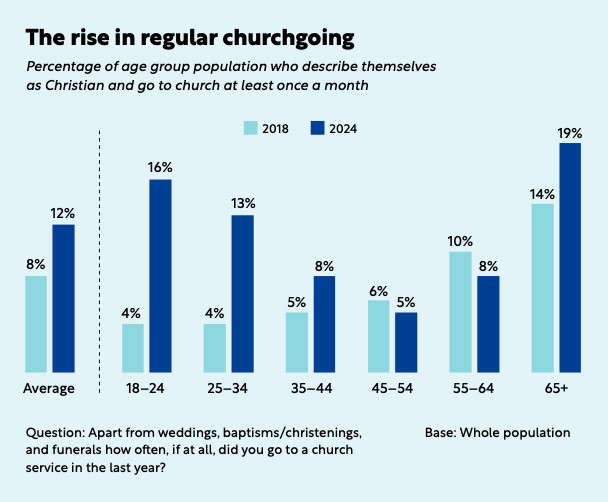
しかし、2018年から2024年にかけて教会出席が劇的に、特に若い世代で増加しています。
この「キリスト教への関心の再燃」は、ポスト・クリスチャン文化だけでなく、そもそもキリスト教が根づいていなかったプレ・クリスチャンの国々でも起こっています。
2000年当時イランのクリスチャン人口は1万人以下だったと言われています。
しかし今では、信頼できる情報によれば100万人以上のクリスチャンがいると言われています。
クリスチャンであることが世界で最も危険な国の一つで、20年前の100倍もの人がイエス様を信じるようになっているのです。
なぜ今これほど多くの人がキリスト教に心を向けているのでしょうか?
それは、教会が何か新しいことを始めたからではありません。教会は、2000年前から変わらず、イエス様についての同じ福音を語り続けています。
ただ神様が、教会のごく普通の宣教に、非常に大きな祝福を注いでくれているのです。
現代の世界においても、イエス・キリストの古くから伝えられてきた福音は、今なお懐疑的な人々を信じる者へと変え続けています。
実は、私は『スター・ウォーズ』の中で、ハン・ソロが「疑いから信仰へ」と変わっていく様子が描かれているのが、とても好きなんです。
1作目の中で、若いハン・ソロはジェダイの力である「フォース」について強い疑いを抱いていました。
彼はルーク・スカイウォーカーにこう言います:「坊や、俺は銀河の端から端まで飛び回ってきた。変なものはたくさん見てきたが、全てを支配する“フォース”とやらを信じられるようなものなんて、一度も見たことがない。運命を左右するような神秘的なエネルギーなんて存在しないんだ!」
しかしその後、ハン・ソロはジェダイの超自然的な力を何度も目撃します。
それから数十年後、年を重ねて経験を積んだハン・ソロが『ジェダイは本物なのか?』と尋ねられたとき、彼はこう答えます。
「昔は全部デタラメだと思ってた。良い事も悪い事もつなぎとめる魔法みたいな力?…でも驚くべきことにな、それは本当だったんだ。全部、本当なんだ。」
イエス様の超自然的な力を実際にその目で見た使徒ヨハネは、まさに「世界中のハン・ソロたち」のために、自身の福音書を書きました。
「キリスト教は真実なのか?」という問いに対して、
ヨハネの福音書は揺るぎなくこう語ります。「驚くべきことに本当なんだ。全部本当なんだ。」
神がキリストとして地上に来られたというクリスマスの物語は、作り話ではなく、実際の目撃者たちによって証言された歴史的な出来事なのです。
だからヨハネは、私たち全員に「もしこれが本当だとしたら?」という少し怖い質問を投げかけています。
今日の聖書箇所はヨハネの福音書20章30–31節です。
ここでヨハネは、自分が福音書を書いた理由をこう述べています:イエスが神の子キリストであることを、あなたがたが信じるためであり、また信じて、イエスの名によっていのちを得るためである。
この箇所は、ヨハネの福音書の大切なテーマが一文にぎゅっとまとめられているので、導入として最適な箇所です。
今日のメッセージのメインポイントです。
ヨハネの福音書が描くイエス様に、心を開いて受け取りましょう。
そのために、この箇所から3つの問いを一緒に考えたいと思います。
なぜ信じるべきなのか?(30–31a節)
何を信じるべきか?(31b節)
信じることは私たちの人生をどう変えるのか?(31c節)
では最初の質問、「なぜ信じるべきなのか?」(30–31a節)
30 イエスは弟子たちの前で、ほかにも多くのしるしを行われたが、それらはこの書には書かれていない。31これらのことが書かれたのは、...あなたがたが信じるため
今日の聖書箇所は、実はヨハネの福音書の終わりの部分から来ています。
2000年代初め、DVDで映画を見たあとには「舞台裏映像」が流れることがあったと思います。
ここで、ヨハネがどのように福音書を書いたか、その過程を見せてくれている「舞台裏」を紹介します。
ヨハネは、中立的な歴史の記録を伝えようとしたわけではありません。He’s open about his bias toward Jesus. むしろ、イエス様に対する自分のひいきを隠さず示しています。
またヨハネは、イエス様について知っているすべてを書こうとしてはいません。ヨハネ21章25節では、多くのことをあえて書き残さなかったと述べています。
しかしヨハネは31節で、自分が福音書を書いた目的は非常に絞られていて、あなたがたがイエス様を信じるようになるためだと述べています。
ヨハネは自身の福音書の中で、『信じる』という言葉(ギリシャ語では πιστεύω、pisteuō, ピステウオ)を98回も使っています。これは他の三つの福音書、マタイ、マルコ、ルカの10倍です。
では、信じるとは一体どういうことでしょうか?
ここで、信仰についてよくある二つの誤解を考えてみましょう。
まず一つ目は、「証拠優先の信仰」です。
これは「十分な証拠が揃うまで信じない」という考え方です。
つまり、十分な証拠があれば、自分の意志に反してでも信じざるを得なくなる、ということです。
この考えは人気がありますが、実際には多くの哲学者が否定しています。
なぜなら、私たちの現実に関する基本的な前提の多くは、確かな証拠に基づいていないからです。
たとえば、宇宙が5分前にできたと仮定して、5分前より前にあるはずの記憶がすべて偽物だとどうやって証明できるでしょうか?
それでも、私たちは何の証拠もないまま毎日そのような前提のもとで暮らしています。
二つ目の誤解は、「盲目的な信仰」です。
これは、「証拠に反してでも信じることを選ぶ」という考え方です。
クリスチャンも含めて、多くの人が、これがを聖書が求めていることだと思い込んでいます。
しかし聖書的には、信仰そのものに価値があるわけではありません。
聖書が問うのは、「あなたがどれほど誠実か?」ではなく、「あなたが信じていることは本当に真実か?」です。
ヨハネが私たちに呼びかける聖書的信仰は、証拠優先の信仰でも盲目的な信仰でもありません。
聖書的信仰とは何でしょうか?
信頼する信仰です。
このような信仰は、証拠を大切にし、信じることが納得できるものであることを望みます。キリスト教がただのおとぎ話ではないという確信を望むものです。
しかし、同時に絶対的な証拠を要求するものでもありません。100%の確信がなくても、一歩踏み出すことができる信仰です。
キリスト教神学では、信仰には三つの要素があると教えられています。
知識、同意、そして信頼です。
イエス様を信じるには、まず聖書がイエス様について何と言っているかを知る必要があります。
同時に、イエス様について語る聖書の言葉に同意する必要があります。
しかし、イエス様に関する事実について知り、同意するだけでは聖書的信仰にはなりません。
ヨハネの福音書には、ある意味で「信じている」とされる人たちが登場しますが、後にその信仰が偽りであることが明らかになります。その人たちはイエス様の行われた奇跡を見て、イエス様が神の子であるとを知的に認めました。
しかし彼らのイエスに対する“信仰”は、知識と同意だけで、信頼が欠けていたのです。
1977年、私の故郷シンシナティでは猛吹雪になり、オハイオ川が完全に凍りました。
この低画質の写真から分かる通り、勇敢な人々が凍った川を歩いて渡りました。
凍った川を歩くのは危険です。もし氷が割れれば、凍死するか溺れるかもしれません。
だから当然、氷が渡れるかどうか確認したくなります。
ヨハネの福音書を読むことは、凍った川の反対側に立つ誰かが「怖いのはわかる。でも氷を信じていい、私が渡れたんだから。信仰を持って一歩踏み出してごらん!」と言っているのを聞くようなものです。
氷を信頼するのと同じように、イエス様を信じることは、イエス様が罪や死、地獄から救ってくださるお方だと信頼することです。
イエス様への信仰というのは、イエス様が自ら言われた通り、死からよみがえった神の子であると信頼することです。
信頼にはリスクが伴います。生涯イエス様についていったとしても、キリスト教が偽りだという可能性もある、というリスクです。
凍った川を渡ろうとしている二人の人を想像してみてください。
Aさんは、氷が割れない確率を80%だと思っています。
Bさんは、40%だと思っています。
二人とも無事に川を渡れたとして、何が彼らを支えたのでしょうか?
氷への信頼の度合いでしょうか?
氷の分厚さを示す証拠でしょうか?
違います。支えたのは氷そのものです。
なぜなら、救いをもたらすのは、あなたの信仰の強さではなく、信じるその対象だからです。
皆さんに、今日、ぜひ心に留めておいて欲しいのですが、イエス様を信仰の対象とするリスクは十分に価値がある、ということです。
イエス様は、私たちの全信頼に十分以上に値するとを証明してくださるお方です。
あなたの質問も恐れません。
あなたの過去も恐れません。
80%の信仰で来ても、40%でも来ても大丈夫なのです。
イエス様は、あなたがどんな状態にいても、そこから働きかけてくださるお方です。
イエス様は今、あなたに手を差し伸べてくれています。その手を取って一歩踏み出しましょう。
信仰の強さではなく、信じる対象が重要ならば、その対象であるイエス様をもっと知るべきですよね?
次の質問は、「何を信じるべきか?」(31b節)です。
これらのことが書かれたのは、イエスが神の子キリストであることを、あなたがたが信じるため
ヨハネは、私たちにイエス様は、a) 「キリスト」であり、b) 「神の子」であると信じてほしいのです。
この二つのシンプルな言葉には、聖書神学の壮大な世界が詰まっています。
「キリスト」とはイエス様の名字ではなく、称号です。
「キリスト」とはヘブライ語で「メシア」のことで、旧約聖書全体で約束されていた油注がれた救い主を意味します。
人類が創世記で堕落して以来、神様は罪の呪いを取り消すお方を遣わすと約束してこられました。
創世記12章で、神様はイスラエル、アブラハムの家族を通してすべての国が祝福されると約束されました。
申命記18章では、神様は『すべての人が聞き従うべき、モーセのような預言者』がイスラエルから現れると約束されました。
2サムエル記7章では、神様は、ダビデの家系から永遠に続く王国の王が現れると約束されました。
アブラハムのように祝福をもたらし、モーセのように神様の言葉を語り、ダビデのように王として支配する──そのお方がメシアです。
旧約聖書の目的は、「アブラハムやモーセ、ダビデのようになれ」ということではありません。彼らもまた私たちと同じ罪人でした。
ヨハネが伝えたいのは、約束され、予言され、あらかじめ示されてきたお方──イエスこそが『神の子キリスト』であるということです。
偉大な神学者ホーマー・シンプソンがかつて聖書を要約した言葉で大好きな言葉があります。
「みんな罪人だ!…この一人を除いて!」
しかしヨハネはさらに、イエス様がメシアであるだけでなく、神の子であることも私たちに示そうとしています。
ヨハネの福音書には、イエス様がご自分の正体を明かす7つの有名な『私は〜である』という宣言があります。
例えば、イエス様が「私は世の光である」と言うとき、これは単なる比喩ではありません。
イエス様が『わたしは〜ある』と言うときに用いている元のギリシャ語は、ἐγώ εἰμι(エゴー・エイミ)egō eimi という言葉です。
イエス様の時代の旧約聖書のギリシャ語訳では、エゴー・エイミはヘブル語の神の名「ヤハウェ」の訳語でした。
つまり、ヨハネの福音書では少なくとも7回、イエス様ご自身が「私は聖書の唯一真の神、ヤハウェである」と明言しているということです。
それでもイエス様は、神の子として父なる神と同じ性質を持ちながらも、父なる神とは区別されています。
ヨハネ5章23節で、イエス様は皆「父を敬うのと同じように、子を敬う」べきだと言っています。
ヨハネの福音書全体を通して、イエス様は神の子であり、父なる神、聖霊と同じ性質を共有するお方です。唯一真の神は三位一体で、性質は一つでありながら、三つの位格が存在するのです。
ヨハネが私たちに対して、イエス様を神の子として信じるように呼びかける理由は、イエス様を通して私たちが唯一真の神を知り、永遠のいのちを得ることができるからです。
ヨハネの福音書 17:3にはこうあります。 「永遠のいのちとは、唯一のまことの神であるあなたと、あなたが遣わされたイエス・キリストを知ることです。」
そして最後のポイントとして、この「永遠のいのち」について考えていきます。
最後の問いは、信じることは私たちの人生をどう変えるのか?(31c節)です。
また信じて、イエスの名によっていのちを得るためである。
イエス様を信じることは、まことのいのちをもたらします。イエス様はヨハネの福音書 10章10節でこう言われました。「盗人が来るのは、盗んだり、殺したり、滅ぼしたりするためにほかなりません。わたしが来たのは、羊たちがいのちを得るため、それも豊かに得るためです。」
ほとんどの人は、神様と共に生きる人生が喜びにあふれ、豊かな人生だとは思っていません。
多くの人はこう考えます「神様をできるだけ小さくして、あまり関わらないでいれば、本当に楽しめるし、本当の喜びを味わえるはずだ。」
しかし、神様を小さくすると、喜びも小さくなります。
神様を大きくするときにのみ、喜びも最大になるのです。
ジョン・パイパーが言ったように、「私たちが神にあって最も満足しているとき、神は私たちによって最も栄光を受けられる」のです。
しかし、神様にある喜びと満たしは、この一時的で儚い人生だけのものではありません。
ヨハネが31節で「イエスの名によっていのちを得る」と語るとき、それは、ヨハネが他の福音書よりも多く用いている言葉「永遠のいのち」を指しています。
「永遠のいのち」は「来るべき時代に属するいのち」とも訳せます。
永遠のいのちは、イエス様を信じた瞬間から始まり、永遠に続くものです。
なのでヨハネ3章36節のような箇所では、「御子を信じる者は永遠のいのちを持っている」と言うように、永遠のいのちが現在の所有として語られています。
イエス様を信じる者はいのちを持っていますが、その逆もまた真実です。「御子に聞き従わない者はいのちを見ることがなく、神の怒りがその上にとどまる。」
私たちは皆、罪を犯し、神の御怒りを受けるにふさわしい者です。
しかし十字架の上で、イエス様は神の怒りの「杯」を底の底まで飲み干されました。
だからイエス様は息を引き取る直前に「完了した」と言われました。これは借金が支払われたときに使われる言葉です。
そして3日後、イエス様は復活という究極のしるしをもって、罪の負債が完全に支払われたことを証明されました。
そして今、すべての人に対するイエス様の招きは、聖書全体で最も有名な言葉、ヨハネ3章16節に表されています。
「神は、実に、そのひとり子をお与えになったほどに世を愛された。それは御子を信じる者が、一人として滅びることなく、永遠のいのちを持つためである。」
これから7か月にわたってヨハネの福音書のシリーズを進めていきますが、皆さんにシンプルに三つ、励ましたいことがあります。
一つ目は、ヨハネの福音書を読むことです。
私が大学で受けた歴史の授業では、教授たちは一次資料の重要性を強調していました。
例えば、ナポレオンが何を言ったかについては、現代の本ではなく、ナポレオン自身が実際に話したことを読むべきです。
イエス様についても同じです。イエス様が何を語り、何をされたかを知るのに、四つの福音書以上に信頼できる資料は他にありません。
新約聖書学者でありながら無神論者のバート・アーマンはこう言います。
イエスの生涯について知るために、私たちが持つ最も古く、最良の資料は、新約聖書の四つの福音書——マタイ、マルコ、ルカ、ヨハネです。これは、新約聖書やその歴史的価値を高く評価するキリスト教歴史家だけの見解ではなく、熱心な福音派クリスチャンから厳格な無神論者まで、あらゆる古代史の真面目な歴史家の共通の見解です。
ヨハネの福音書は、声に出して読むと1時間半ほどかかります。皆さんの席には、配布用に用意した新約聖書があります。もし聖書をお持ちでなければ、ぜひお持ち帰りください。
二つ目の励ましは、私たちと一緒にヨハネの福音書を学ぶことです。
ヨハネの福音書は、新約聖書の中でも用語が最も簡単です。イエス様を信じて永遠のいのちを得るという基本テーマも理解しやすいです。
それでも、長年ヨハネの福音書を読んできたクリスチャンは、ヨハネでイエス様が語る多くのことが非常に深いことを証言しています。
毎週教会に集まり、一緒にこの福音書を理解していきましょう。
三つ目の励ましは、友人をヨハネの福音書の学びに招くことです。
ヨハネは遠慮せずに、誰もがイエス様を信じるよう願っています。なので私たちも遠慮しないでいきましょう。
友達を連れてきましょう。「イエスが神の子キリストであることを、その人達も...また信じて、イエスの名によっていのちを得る」ことができるかもしれません。
あるキリスト教の神学者が、さまざまな宗教的視点を扱う人気ラジオ番組に招かれたことがありました。
司会者が「なぜキリスト教は教義や神学にそんなに関心があるのか」と尋ねました。
神学者はこう答えました。「一般的な宗教的信仰、誰に対して祈っているのかわからない祈り、漠然とした超越的存在に対する感情には、持続力はありません。日曜の朝10時、友人と外出しているときならそれでもよいですが、人生の最も暗い時期には、具体的に信じる何かが必要です。」
クリスマスほど、自分が何を信じ、なぜ信じているのか考えるのにふさわしい時期はないのではないでしょうか?
クリスマスほど、イエス様を考えるのにふさわしい時期はありません。
Something mysterious is happening all over the world.
Some are calling it a “surprising rebirth of belief in God.”
A survey in 2023 found that 56% of people in France do not believe in God.
And yet– Christianity is starting to make a comeback.
According to France’s national news agency, France 24, a new church opens every ten days in France.
The UK is known for being the most secular among English-speaking countries.
But from 2018 to 2024, there has been a dramatic rise in church attendance, especially among young people.
This renewed interest in Christianity is not only happening in post-Christian countries, but also pre-Christian countries.
In 2000, there were no more than 10,000 Christians in Iran.
But today, reliable sources say there are over 1 million Christians in Iran.
In one of the most dangerous countries in the world to be a Christian, there are a hundred times more Christians today than 20 years ago!
Why are so many people interested in Christianity right now?
It’s not because churches are doing anything different. We preach the same good news about Jesus that Christians have believed for 2,000 years.
God is simply pouring out his extraordinary blessing on the ordinary preaching of the church.
Even in the modern world, the ancient gospel of Jesus Christ is still turning skeptics into believers.
I love the way Star Wars depicts the move from skepticism to belief through the character of Han Solo.
In the first movie, a young Han Solo is skeptical about the Force, the power of the Jedi.
He says to Luke Skywalker: “Kid, I’ve flown from one side of the galaxy to another, I've seen a lot of strange stuff, but I've never seen anything to make me believe there's one all-powerful Force controlling everything. There’s no mystical energy field that controls my destiny!”
But Han Solo has many eyewitness experiences of the Jedi’s supernatural power. Decades later, when an older and wiser Han Solo is asked “are the Jedi real?”, he says this.
“I used to think it was a bunch of mumbo-jumbo. A magical power holding together good and evil? … But the crazy thing is– it's true. All of it.”
The Apostle John, an eyewitness to Jesus’ supernatural power, wrote his Gospel account for the Han Solos of the world.
When asked “is Christianity true?” John’s Gospel says with full confidence “The crazy thing is, it's true. All of it.”
The Christmas story, God coming to earth in the person of Christ, isn’t a myth but a historical event with real eyewitnesses.
And so John invites all of us to ask a scary question— what if it's true?
Our text for this morning is John 20:30-31.
Here, John says he wrote his Gospel: so that you may believe that Jesus is the Christ, the Son of God, and that by believing you may have life in his name.
This passage is a perfect introduction to the Gospel of John because it boils down all its themes into one sentence.
Here’s the main point of the sermon today. Open yourself up to the Gospel of John’s presentation of Jesus.
To help us all do that, let’s ask three questions from our text.
Why should you believe? (v30-31a)
What should you believe? (v31b)
How will believing change your life? (v31c)
First question, why should you believe? (v30-31a)
30 Now Jesus did many other signs in the presence of the disciples, which are not written in this book; 31 but these are written so that you may believe
Our text this morning actually comes from the end part of John’s Gospel.
In the early 2000s, after you watched a movie on DVD there would be a “Behind The Scenes” showing the process of making the movie.
Here we have John’s “Behind The Scenes” where he shows you the process of writing his Gospel.
John wasn’t interested in giving a neutral historical account. He’s open about his bias toward Jesus.
John also wasn’t interested in saying everything there is to know about Jesus. John 21:25 says he chose to leave a lot of things out.
No, John says in v31 that he had a narrow purpose for writing: to persuade you to believe in Jesus.
John uses the word “believe” πιστεύω (pisteuō) 98 times in his Gospel. That’s 10 times more than the other three Gospels, Matthew, Mark, and Luke.
So what does it mean to believe?
To answer, let’s talk about two popular misunderstandings of faith.
The first misunderstanding is proof-first faith.
This way of thinking says “I won’t believe something until I have hard evidence.”
The idea is that if you give me enough proof, almost against my will, I’ll be forced to believe.
This is a popular way of thinking, but actually most philosophers reject it.
The reason is because many of our basic assumptions about reality aren’t based on hard evidence.
How can you prove, for example, that the universe didn’t come into existence five minutes ago and all your memories are fake?
And yet– each day you live on the basis of that assumption without any proof.
The second misunderstanding is blind faith.
This way of thinking views faith as “choosing to believe despite evidence to the contrary.”
A lot of people, including Christians, think this is what the Bible asks us to do.
But biblically speaking, faith in of itself has no inherent virtue.
The Bible doesn’t ask “how sincere are you?” as much as it asks “is what you believe actually true?”
The biblical faith that John calls us to is neither proof-first faith nor blind faith.
So what is biblical faith? Trusting faith.
This kind of faith appreciates evidence, it wants to believe things that seem credible. It wants assurance that Christianity isn’t just some elaborate fairy tale.
But this kind of faith doesn’t demand absolute proof. It’s willing to move forward without 100% certainty.
Christian theologians have historically said that faith has three components.
Knowledge, agreement, and trust.
To believe in Jesus, you have to know what the Bible says about him.
But you also have to agree with what the Bible says about Jesus.
But knowing and agreeing with the facts about Jesus still isn’t biblical faith.
Throughout the Gospel of John, there’s people who are said to “believe” in some sense but later that faith is proven to be false. They saw Jesus miracles and intellectually agreed he was the Son of God.
Their “faith” in Jesus was merely knowledge and agreement, but lacked trust.
In 1977, there was a blizzard in my hometown of Cincinnati that completely froze the Ohio River.
As you can see from this low quality photo some bravely walked across the frozen river.
Walking across a frozen river is dangerous– if you fall through the ice you’ll freeze to death or drown.
So naturally you want some re-assurance the ice will hold you.
Reading the Gospel of John is like hearing someone standing on the opposite side of the frozen river saying “I know it's scary–but you can trust the ice, I’ve been over it myself. Step out in faith!”
Just as you trust the ice, to believe in Jesus is to trust in him to save you from sin, death, and hell.
Faith in Jesus is trusting that he is who he says he is, the Son of God who rose from the dead.
Accepting risk is part of trust. There’s the risk you could spend your whole life following Jesus only for Christianity to end up being false.
Think about two people considering walking over the frozen river.
Person A is 80% sure the ice won’t break. Person B is 40% sure the ice won’t break.
As they both step out and safely walk all the way across the river, what keeps them from falling through?
Is it their level of trust in the ice?
Is it the evidence proving how thick the ice is?
No - what holds them is the ice itself.
Because it’s not the strength of your faith that saves you, it's the object.
Friends, you need to know this morning that it’s well worth the risk to make Jesus the object of your faith.
Jesus will prove himself more than worthy of all your trust.
He’s not afraid of your questions.
He not afraid of your past.
Come to Jesus with your 80% faith, come with your 40%.
He can work with wherever you’re at.
Jesus is reaching out his hand to you this morning. Will you take hold of it?
If it's not about the strength of our faith but the object, we should probably get to know that object better, right?
Next question, what should you believe? (31b)
31 but these are written so that you may believe that Jesus is the Christ, the Son of God
John wants you to believe that Jesus is the a) “the Christ” and b) “the Son of God.”
There’s a world of biblical theology packed into these two simple statements about Jesus.
“Christ” is not Jesus’ last name, it's a title.
The word “Christ” means “Messiah,” the anointed one promised all throughout the Old Testament.
Ever since the fall of humanity in Genesis, God promised to send someone who would undo the curse of sin.
In Genesis 12, God promised that through Israel, Abraham’s family, all nations would be blessed.
In Deuteronomy 18, God promised a Prophet like Moses who everyone must listen to would arise from Israel.
And in 2 Samuel 7, God promised a King from David’s line whose kingdom would last forever.
The One who would bring blessing like Abraham, speak God’s words like Moses, and reign like David—that’s the Messiah.
The point of the Old Testament isn’t “be like Abraham, Moses, and David”—they were just sinners just like us.
The point, John tells us, is the One they were promised, the One they predicted, the One they foreshadowed–Jesus “the Christ, the Son of God.”
I love how the great theologian, Homer Simpson, once summarized the story of the Bible.
“Everyone’s a sinner! …Except for this One Guy!”
But John also wants us to also see how Jesus the Messiah is not just a man, he’s the Son of God.
In the Gospel of John, we have the seven famous “I am” statements through which Jesus reveals his identity.
Whenever Jesus says things like “I am the light of the world”, it's not just a clever metaphor.
The original Greek Jesus uses for “I am” is εἐγώ εἰμι egō eimi.
In the Greek translation of the Old Testament popular during Jesus day, this egō eimi was the translation for God’s Name, which is “Yahweh” in Hebrew.
This means there’s at least seven times in the Gospel of John where Jesus just directly says “I am the One True God of the Bible, I am Yahweh.”
And yet while Jesus, God the Son, shares the same nature as God the Father, he’s also distinct from him.
In John 5:23, Jesus says all should “honor the Son, just as they honor the Father.”
And in John 14:9, Jesus says “Whoever has seen me has seen the Father.”
As we’ll see all throughout John’s Gospel, Jesus is God the Son, who shares the same nature with God the Father and God the Holy Spirit. The One True God is a Trinity– one in nature, but three in person.
The reason John wants us to believe that Jesus is the Son of God, is because it's through Jesus that we know the One True God and have eternal life.
John 17:3– “And this is eternal life, that they know you, the only true God, and Jesus Christ whom you have sent.”
And it's in our final point that we’ll consider eternal life.
Last question, how will believing change your life? (v31c)
31 …and that by believing you may have life in his name.
Believing in Jesus results in true life. Jesus says in John 10:10 “The thief comes only to steal and kill and destroy. I came that they may have life and have it abundantly.”
Most people don’t think life with God is a joyful, abundant life.
Most people think “if I can just minimize God, and not really have anything to do with God, then I can really have fun. I can really have joy.”
But when you minimize God, you minimize joy.
It's only when you maximize God, you maximize joy.
Or as John Piper put it “God is most glorified in us when we are most satisfied in him.”
But joy and satisfaction in God are not just for this fleeting, temporary life.
In v31 when John says life in [Jesus] name, he’s referring to “eternal life”, a word he uses more than any other Gospel.
One way you could translate “eternal life” is “life that belongs to the age to come.”
Eternal life begins the moment you believe in Jesus and goes on for all eternity.
Which is why passages like John 3:36 speak of eternal life as a present possession– “Whoever believes in the Son has eternal life.”
Whoever believes in Jesus has life, but the reverse is also true—“Whoever does not obey the Son shall not see life, but the wrath of God remains on him.”
You see, all of us have sinned and deserve the wrath of God.
But on the cross, Jesus drank “the cup” of God’s wrath down to the bottom.
Which is why just before Jesus dies he says “it is finished”, a phrase that was used for when a debt was paid.
Having paid the debt of sin, Jesus rose from the grave three days later.
And now the invitation to all people is what Jesus says in John 3:16, the most famous verse in the entire Bible.
“For God so loved the world, that he gave his only Son, that whoever believes in him should not perish but have eternal life.”
So, as we begin this series on John’s Gospel over the next seven months, I have three simple encouragements for you.
First encouragement, read the Gospel of John.
In all my history classes in college, my professors stressed the importance of primary sources.
For instance, don’t just read a modern book about what Napoleon said, read what Napoleon actually said.
And the same is true about Jesus. You will not find a more reliable source to learn about what Jesus said and did than the four Gospels.
Bart Ehrman, a New Testament scholar, who is himself an agnostic says this.
The oldest and best sources we have for knowing about the life of Jesus... are the four Gospels of the New Testament, Matthew, Mark, Luke, and John. This is not simply the view of Christian historians who have a high opinion of the New Testament and its historical worth; it is the view of all serious historians of antiquity of every kind, from committed evangelical Christians to hardcore atheists.
John takes an hour and a half to read out loud. On your chair are New Testaments that we bought to give away–please take it home with you if you don’t have a Bible.
Second encouragement, study the Gospel of John with us.
John’s Gospel has the simplest vocabulary in the New Testament. And the basic theme of believing in Jesus for eternal life is easy to grasp.
And yet Christians who have been reading John for a long time can attest that a lot of what Jesus says in John is incredibly deep.
Gather with our church each week so we can help one another understand this Gospel together.
Third, invite a friend to learn about the Gospel of John.
John unashamedly wants everyone to believe in Jesus and so do we.
Bring a friend so that they too may come to believe “that Jesus is the Christ, the son of God, and then by believing [they] may have life in his name.”
A Christian theologian was once invited on a popular radio show that explores a variety of religious perspectives.
The host asked him why Christianity is so interested in doctrine and theology.
He replied: Religious faith in general, prayer addressed “To Whom It May Concern,” sentiment about some transcendent dimension otherwise undefined, does not have any staying power. It’s OK to have that at 10:00 on a Sunday morning when you’re out with your friends somewhere, but in the darkest hours of life, you’ve got to believe something specific.
What better time than Christmas to consider what you believe and why you believe it?
What better time than Christmas to consider Jesus?

.svg)